Waste Baler Horizontal Baler Machine
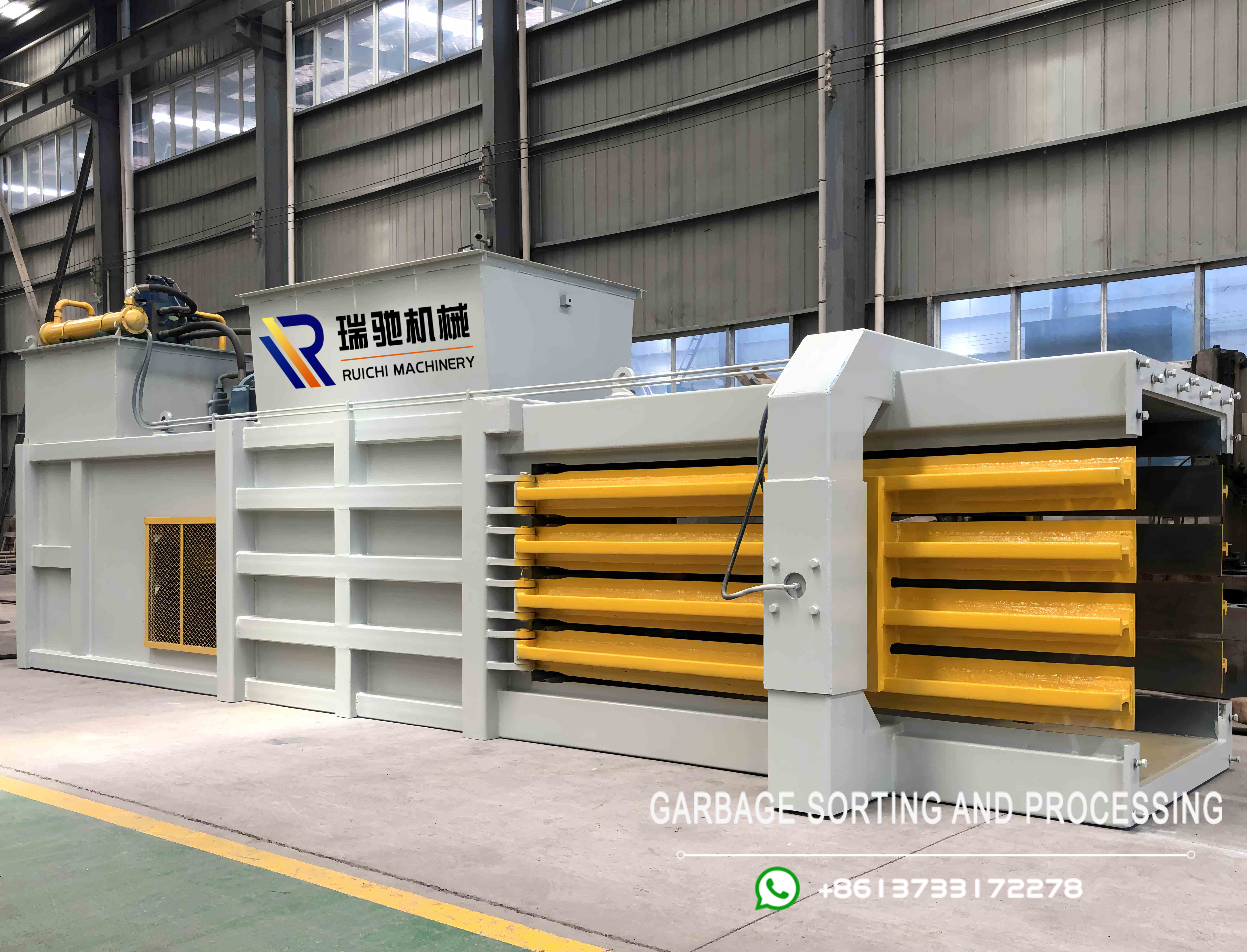
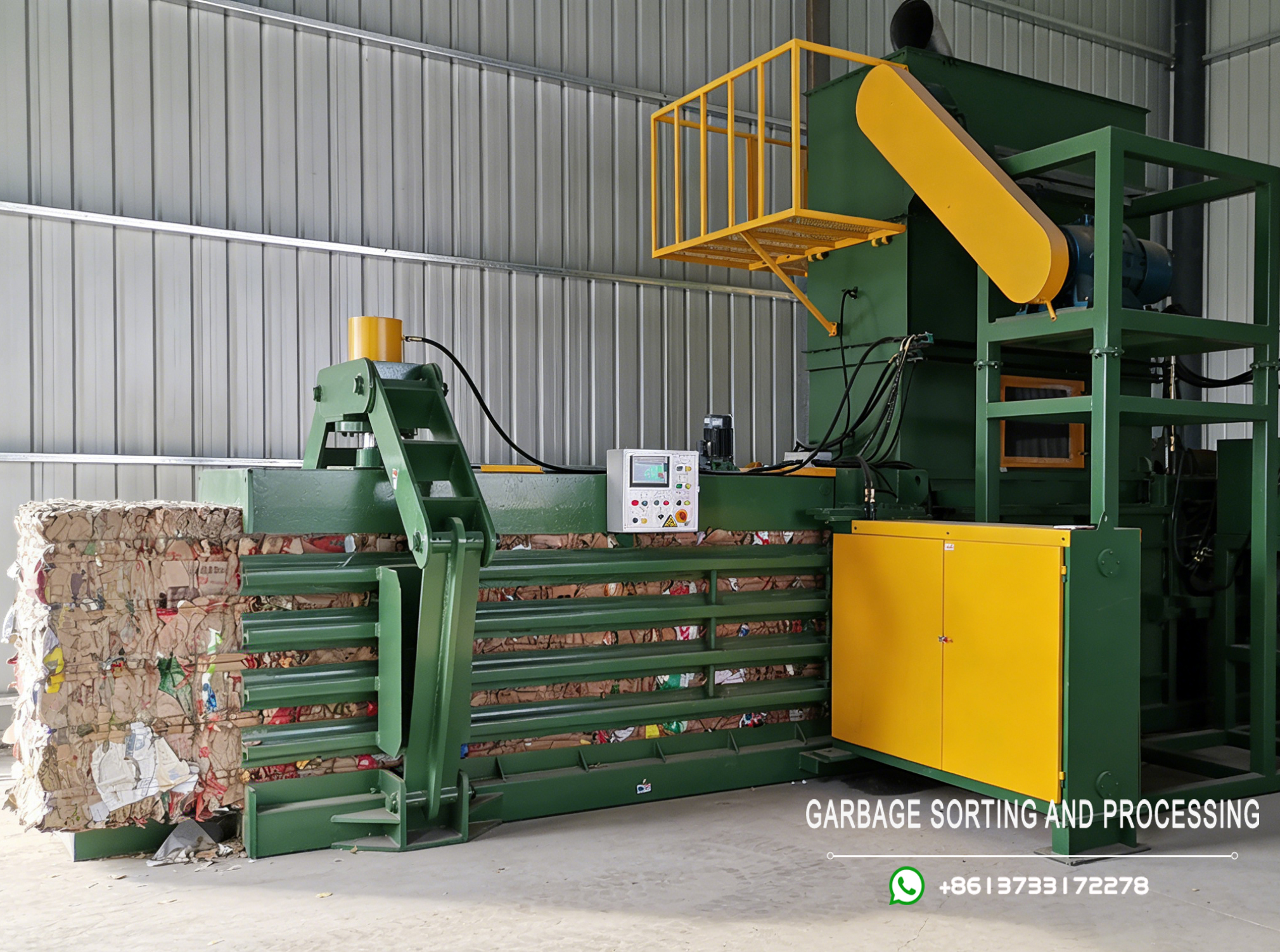
The Hydraulic Baling Press, also known as Horizontal Baler Machine, Horizontal Semi-Auto Hydraulic Baler, Waste Baler, compression baler, hydraulic briquetting machine and solid waste baler, is a core auxiliary equipment for waste treatment and resource recycling lines. With a low overall height, it is easy to set up and operate, and serves as an ideal fully automated solution for waste recycling, efficiently compressing waste into compact, manageable bales. It uses a hydraulic system to compress loose, lightweight and compressible materials into compact bales, reducing material volume to facilitate transportation, storage and subsequent recycling, and seamlessly integrating with Conveyor Belt and other waste processing equipment.
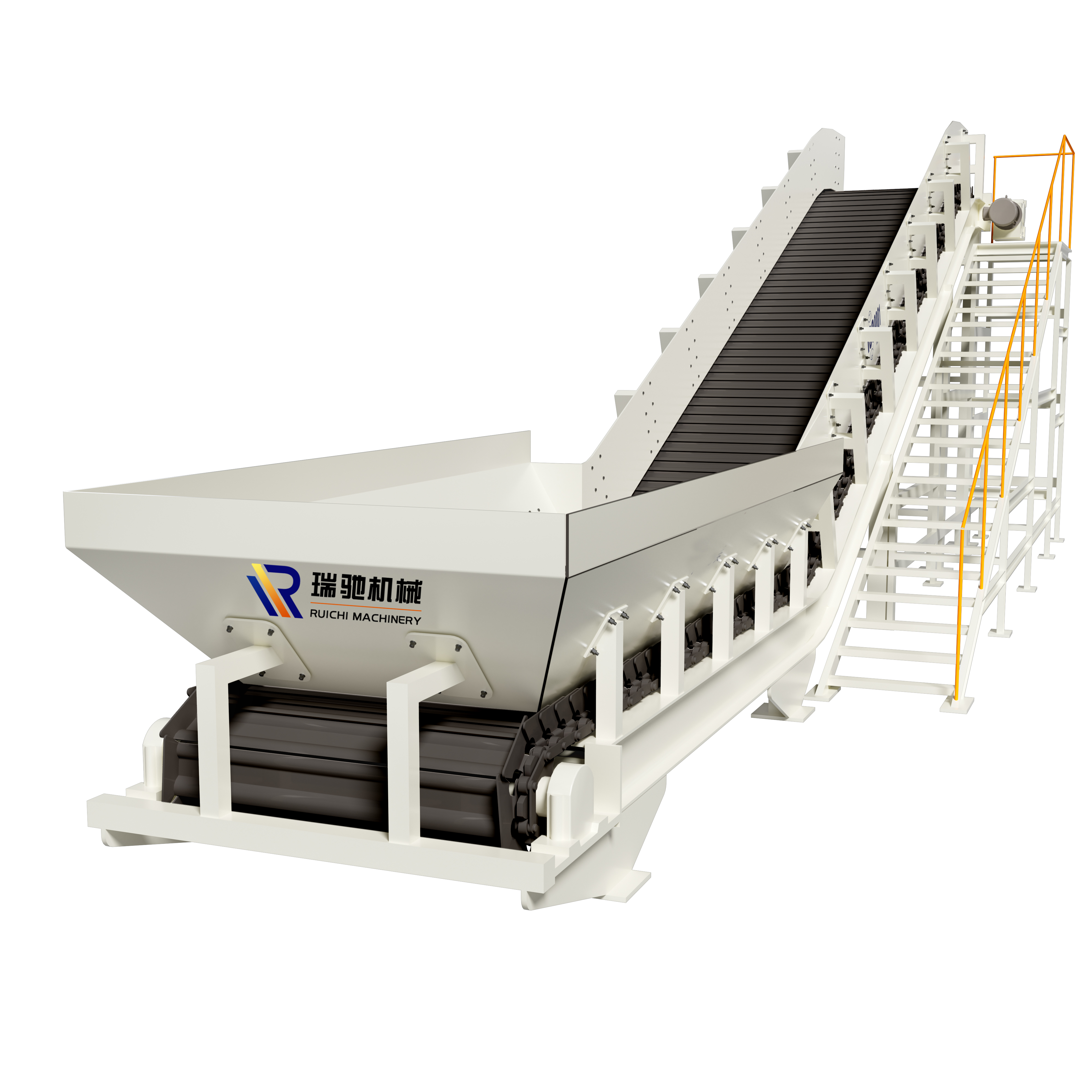
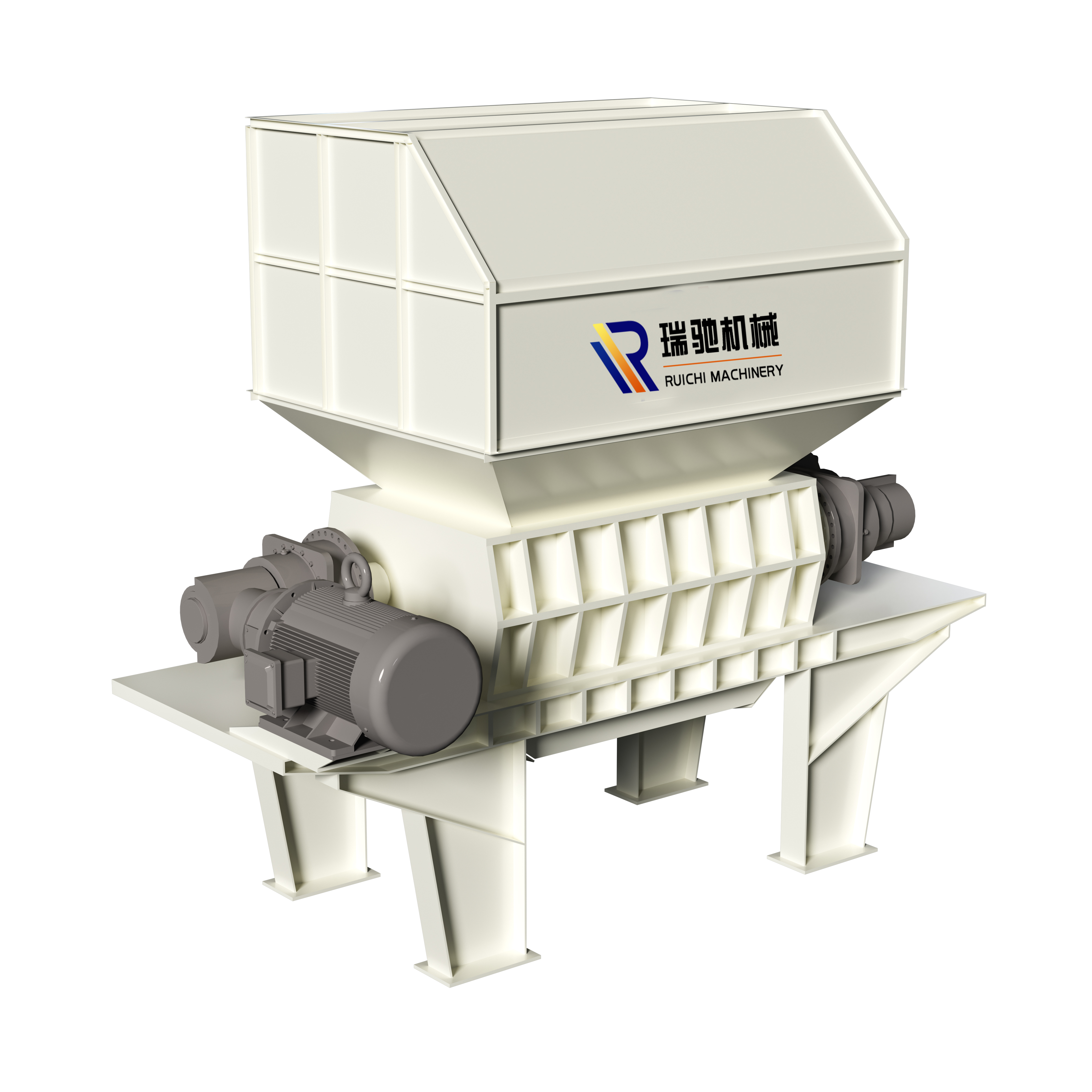
Composed of feeding belt, unloading belt, connection and cutting device, transmission system and hydraulic power system, this equipment drives the pressure head to compress materials in multiple directions. It supports manual, semi-automatic and fully automatic operation modes (PLC program control, electric button operation), as well as twin ram models, with no special site infrastructure required for simple installation. Semi-automatic horizontal balers stand out for efficiency, durability and versatility, ideal for cardboard, paper, PET bottles and plastic films. Custom solutions are also available.
Working Principle: Loose materials are fed into the compression chamber (via Conveyor Belt or manual feeding), and the hydraulic cylinder drives the main pressure head downward to compress materials into high-density bales. After compression, the hydraulic locking door opens to eject bales, which are then bundled manually or automatically to complete a cycle. Bale length and weight are customizable, with automatic bundling at set lengths.
Key Parameters: Production Capacity: 3–20 bales/hour (6-10T/H adjustable); Power: 15kw-55kw; Extrusion force: 63-400 tons (10 grades); Core Components: PLC, sieve plate, hydraulic cylinder; Place of Origin: Henan, China; CE marked.
Core Advantages: High compression density to cut transportation and storage costs; wide application for waste paper, cardboard, plastic, foams, cans, industrial waste and other highly expanding materials; stable hydraulic system with low noise and failure rate; complete safety protection; reasonable structure for long service life; easy maintenance and customizable chamber and bale size.
Applicable Scenarios: Widely used in recycling plants, waste management facilities, paper mills, printing and packaging plants, garbage sorting stations and textile manufacturers, helping streamline waste handling and meet environmental standards.