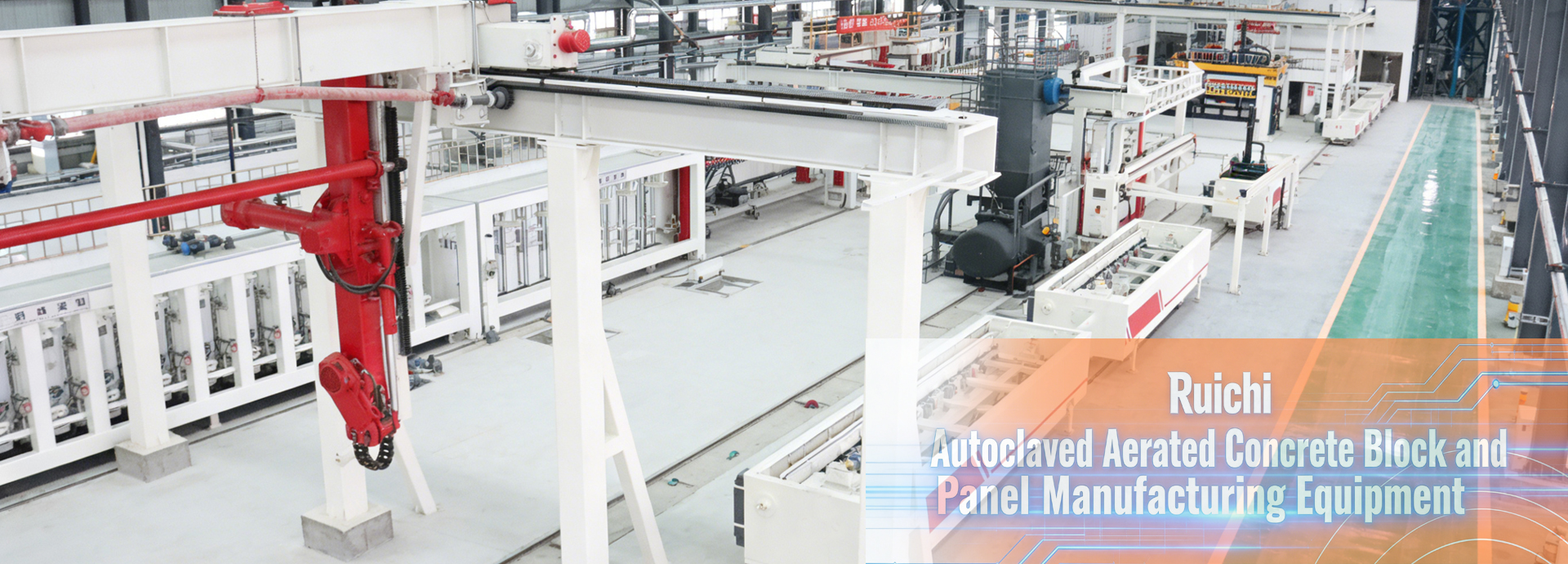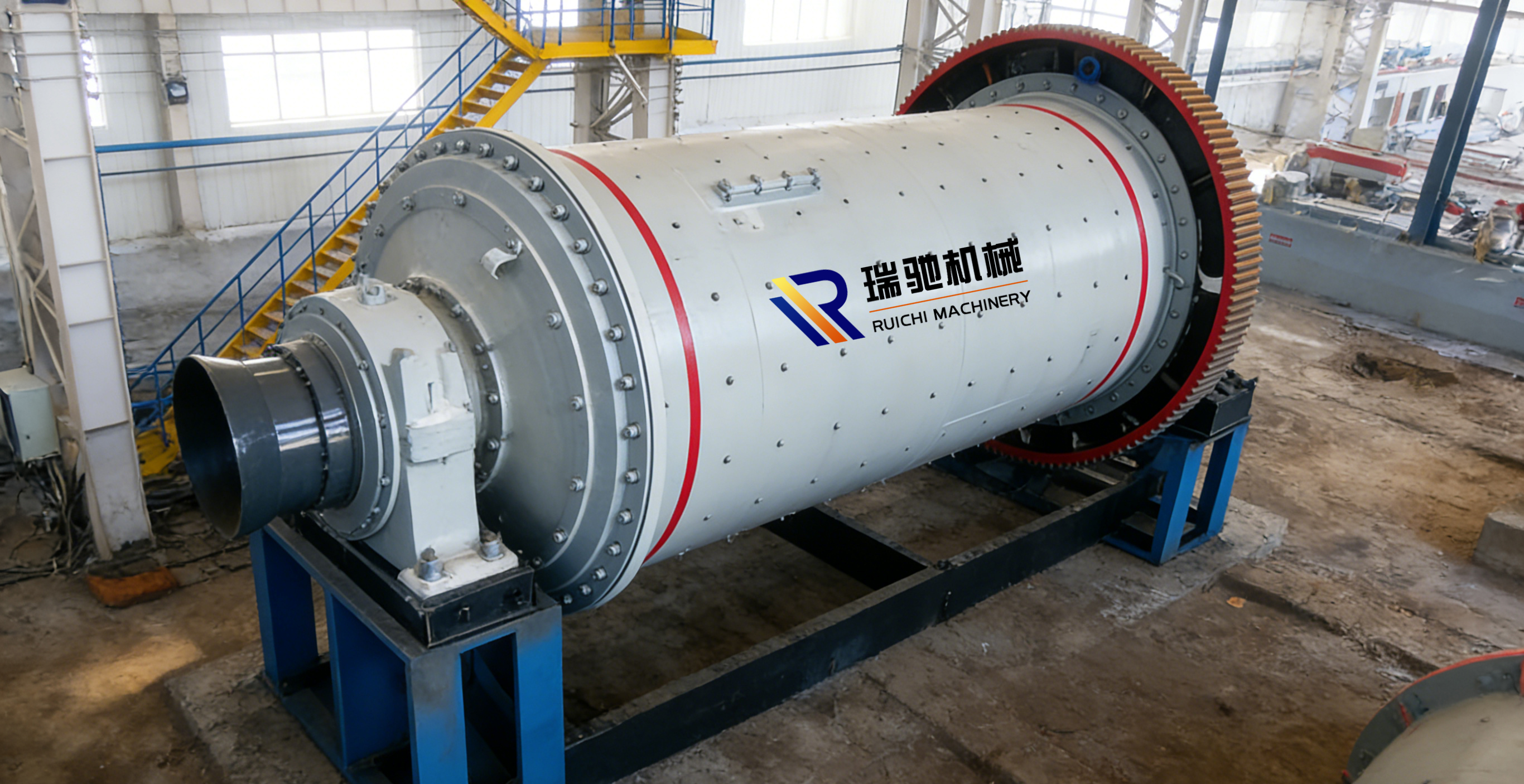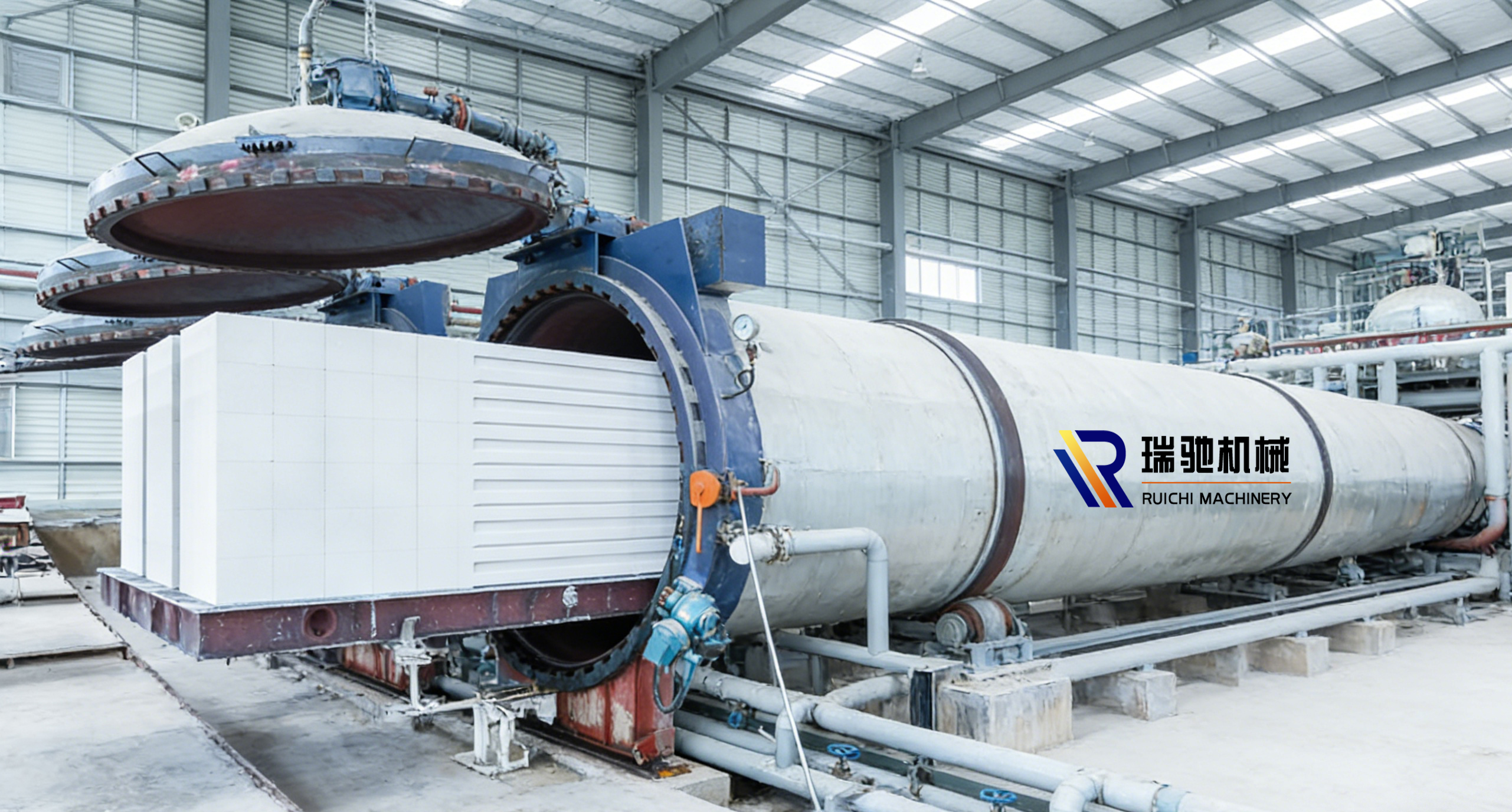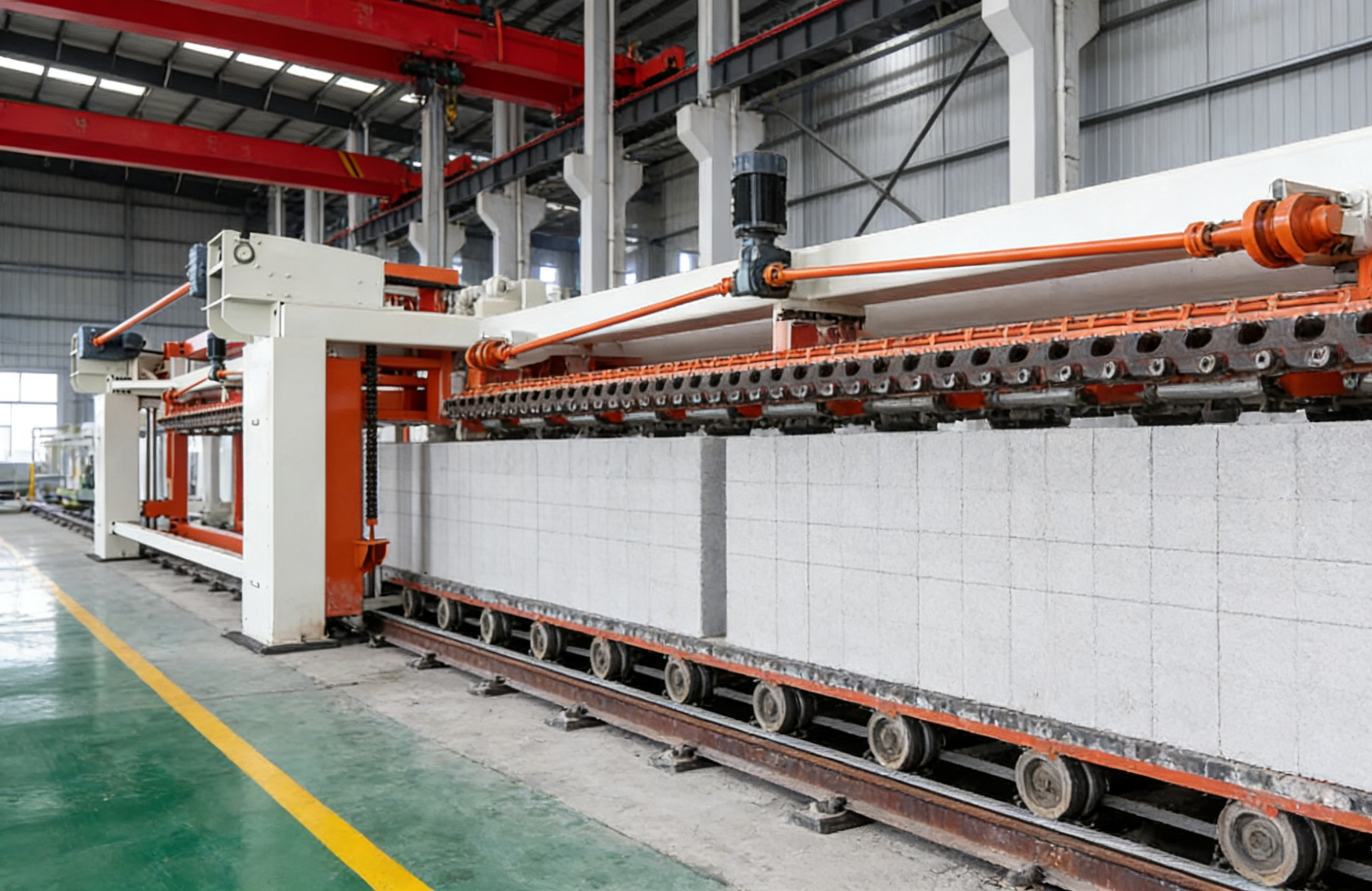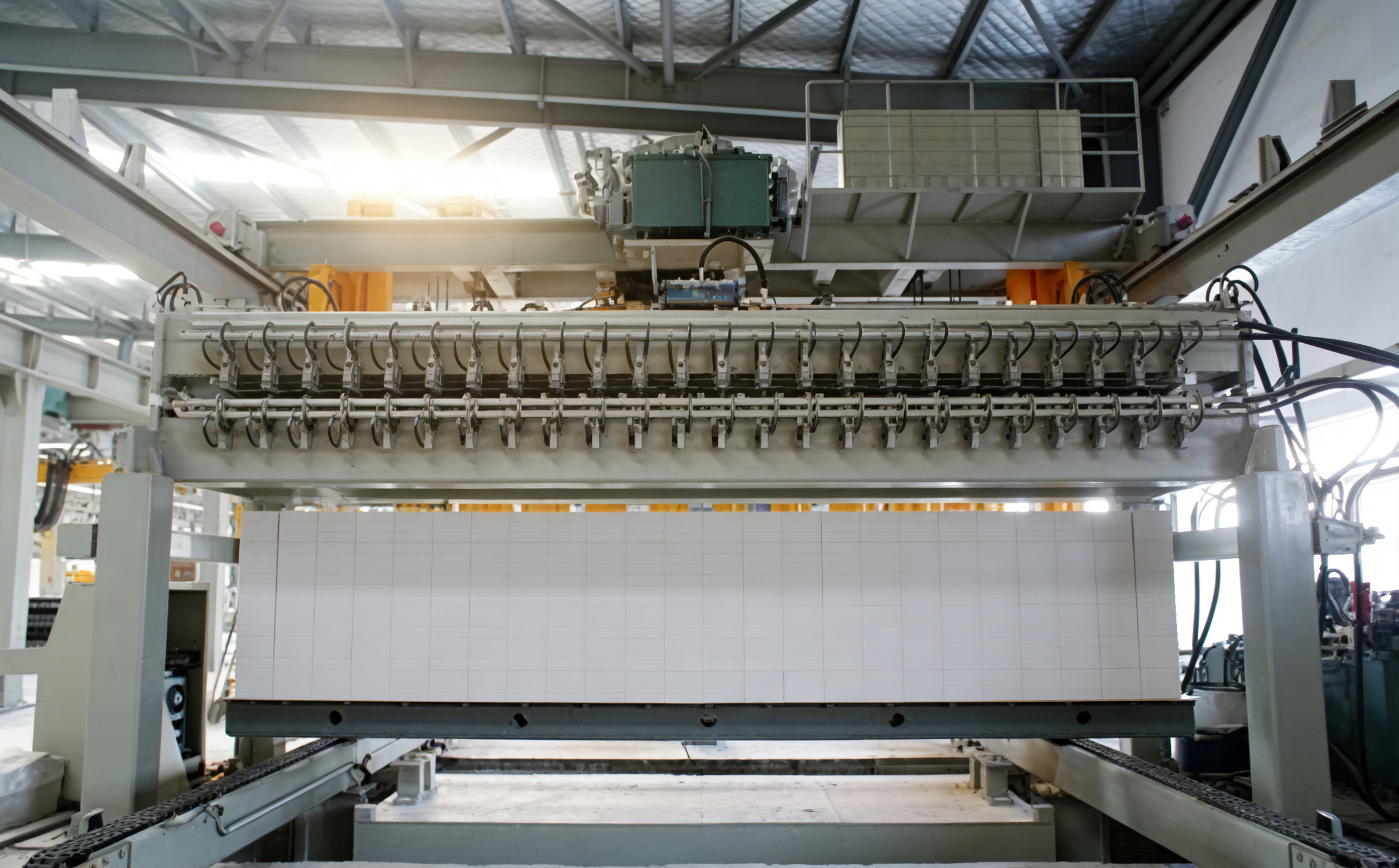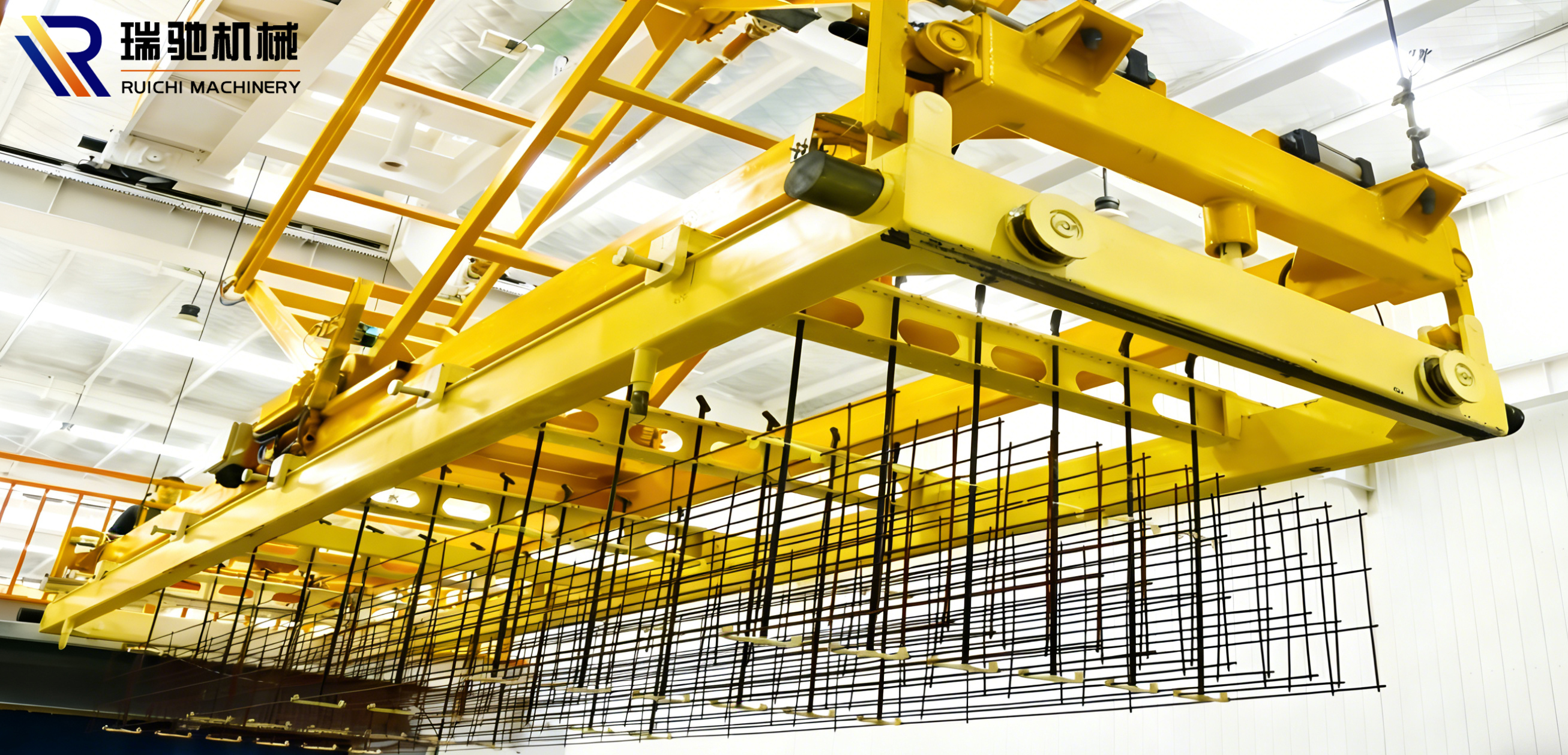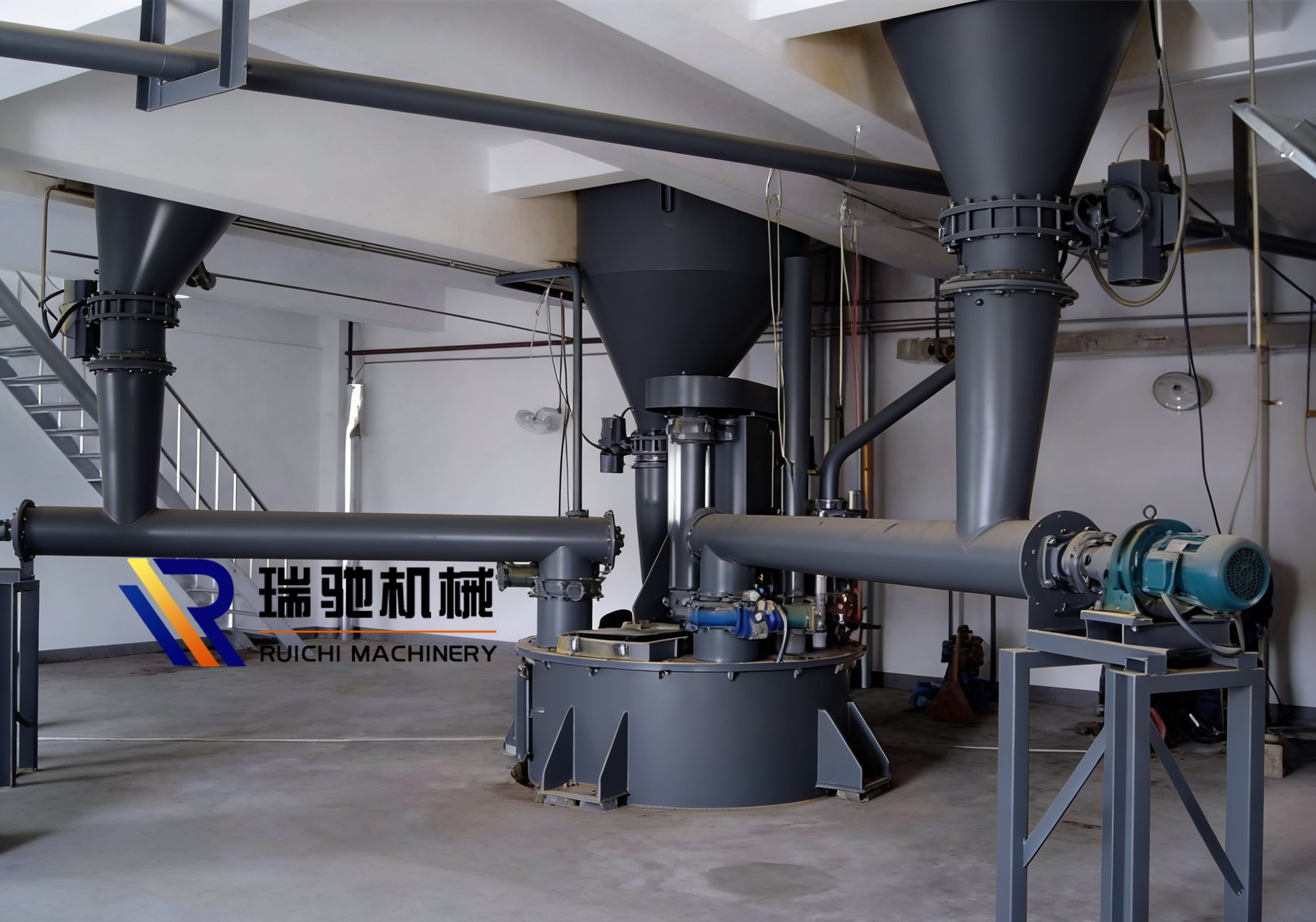
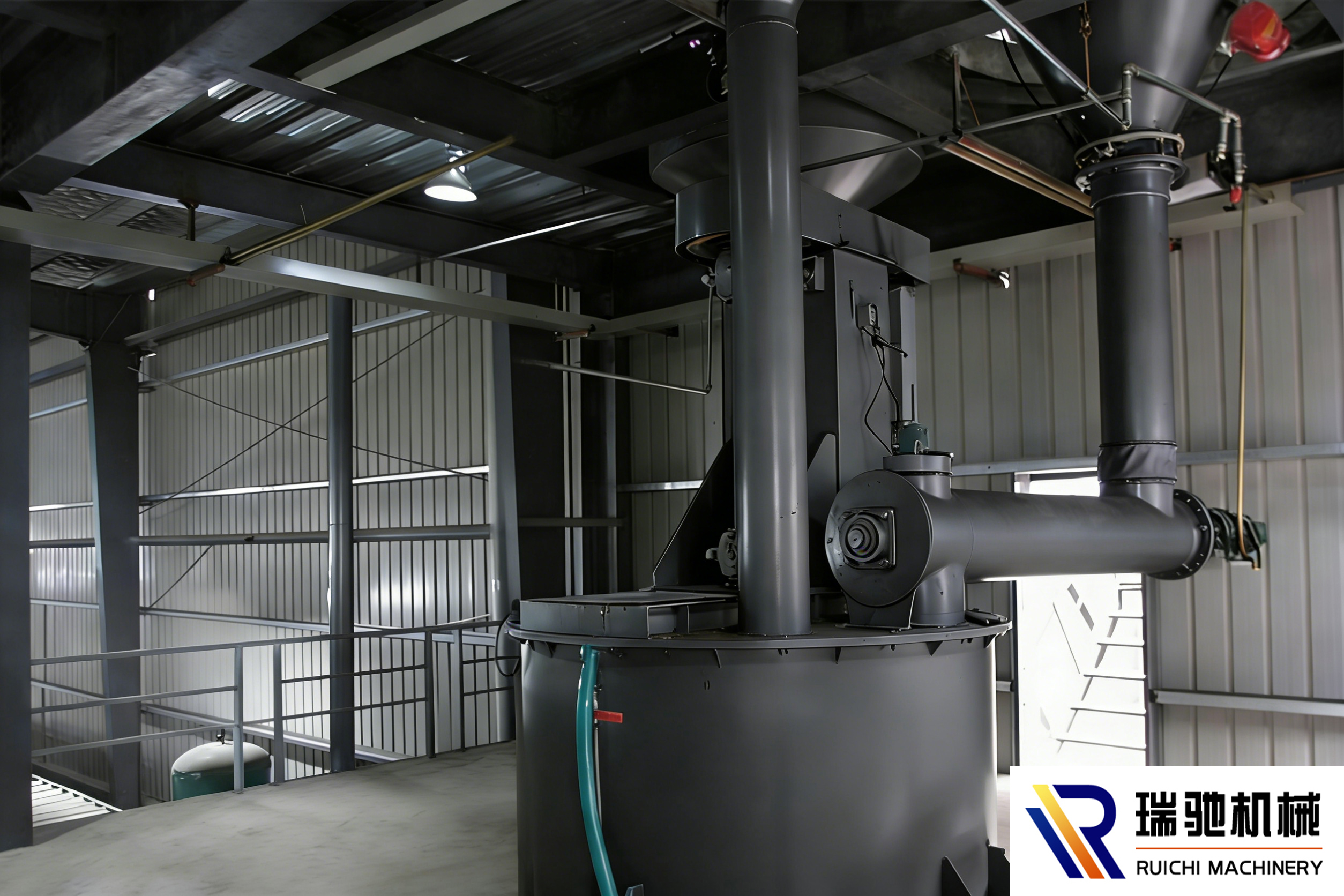
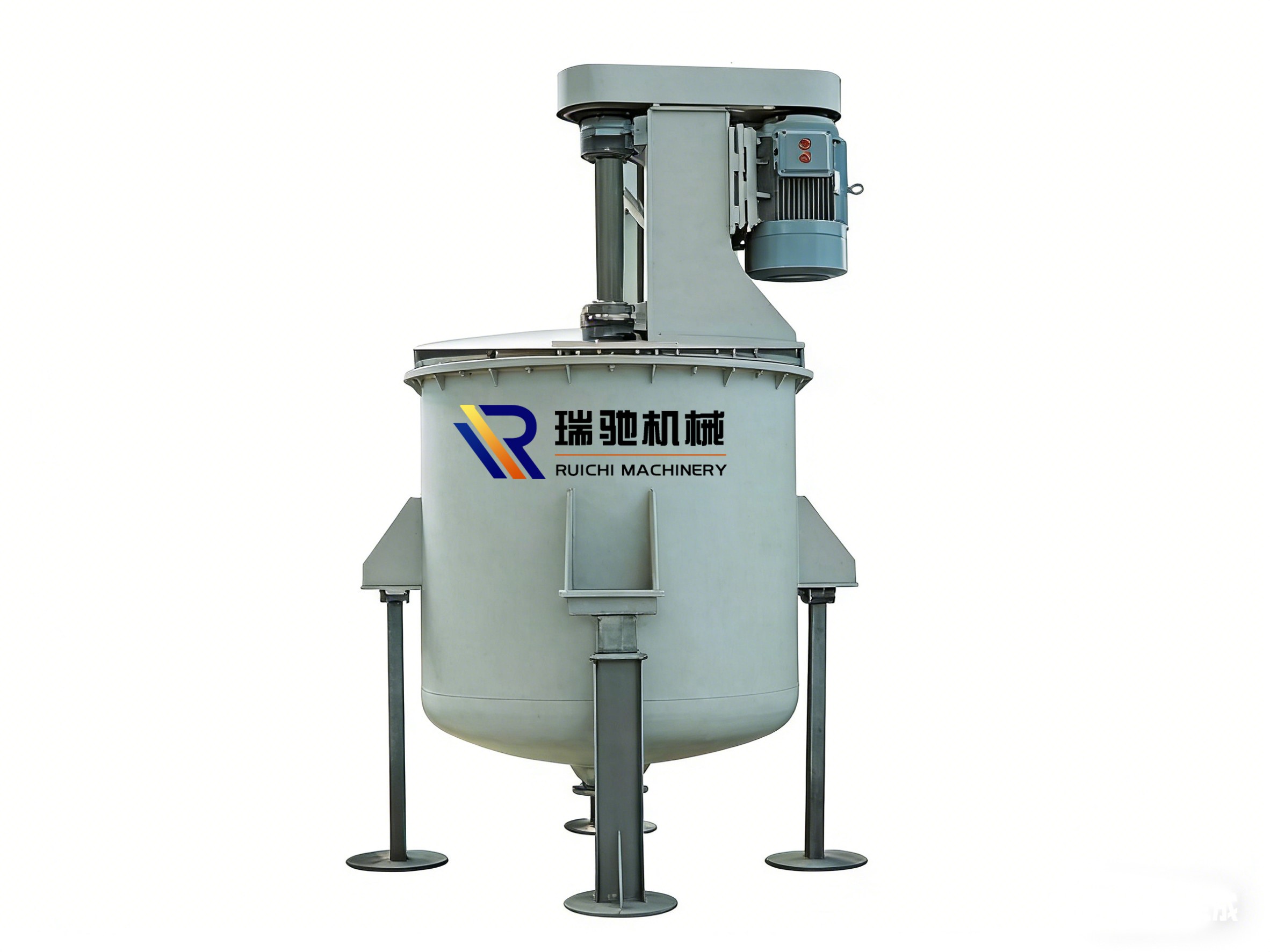
As the "first critical link" in an AAC block or aerated concrete plant, the AAC casting mixer directly determines AAC aerated concrete paste uniformity—key to the strength, density, and consistent quality of final AAC blocks (aerated concrete blocks) and AAC bricks. Designed by Rich AAC Factory, a professional AAC block machinery manufacturer, this mixer integrates seamlessly with the entire AAC production line, connecting the raw material storage system (e.g., slurry tank) with downstream equipment (e.g., belt conveyor, casting molds). It ensures consistent paste quality, optimizes AAC production capacity, and reduces costs, making it indispensable for any AAC block manufacturing system, whether small aerated concrete block plants or large turnkey aerated concrete (AAC) production lines.
1. Structural Advantages: Uniformity, Intelligence, Adaptability
The AAC pouring mixer solves core slurry mixing pain points (uneven distribution, viscosity control difficulty) with three key advantages:
1.1 Twin-shaft Helical Mixing System
Its core twin-shaft helical structure with wear-resistant alloy blades creates 360° material rolling, eliminating dead zones and ensuring thorough mixing of sand, fly ash (for sand/fly ash block plants), cement, aluminum paste, and water. It avoids clumping, meets aerated concrete block density standards (500-700 kg/m³) and IS specifications, and maintains consistent viscosity for aerated and pressurized blocks.
1.2 Intelligent Batching & Viscosity Control
Equipped with intelligent weighing and real-time sensors, operators preset raw material ratios (e.g., sand:cement:fly ash = 6:2:2), and the system auto-adjusts feed rates from the slurry tank and silo. This reduces material waste by 8-12%, lowering aerated concrete block machine costs.
1.3 Seamless AAC Production Line Compatibility
Modular design adapts to diverse scenarios: connects to slurry tanks (liquid) and screw conveyors (dry materials) for feeding; features a movable pouring arm for alignment with casting molds or belt conveyors (integrating with aerated concrete block cutters and autoclaves in autoclaved curing brick production lines). For autoclaved lime sand brick production lines or high-grade plants, it can be upgraded to an insulated tank for temperature control.
2. Simplified AAC Production Operations
The mixer automates feeding (dry materials from silos, liquids from slurry tanks per preset ratios), mixes at 60-80 rpm with real-time viscosity display, auto-adjusts feed for deviations, and circulates slurry via anti-settling pipes until pouring—reducing training costs and boosting efficiency.
3. Why Choose This AAC Pouring Mixer?
- Quality Assurance: Dual-shaft mixing and intelligent control ensure AAC blocks meet international standards (e.g., IS specification for AAC blocks), cutting defect rates by 15-20%.
- Cost-Effectiveness: Automated batching reduces waste; durable impellers and low-energy motors lower maintenance and electricity costs, controlling aerated concrete block costs.
- Flexibility: Suitable for small aerated concrete block plants, large automated lines, and specialized needs (e.g., aerated concrete and press block equipment).