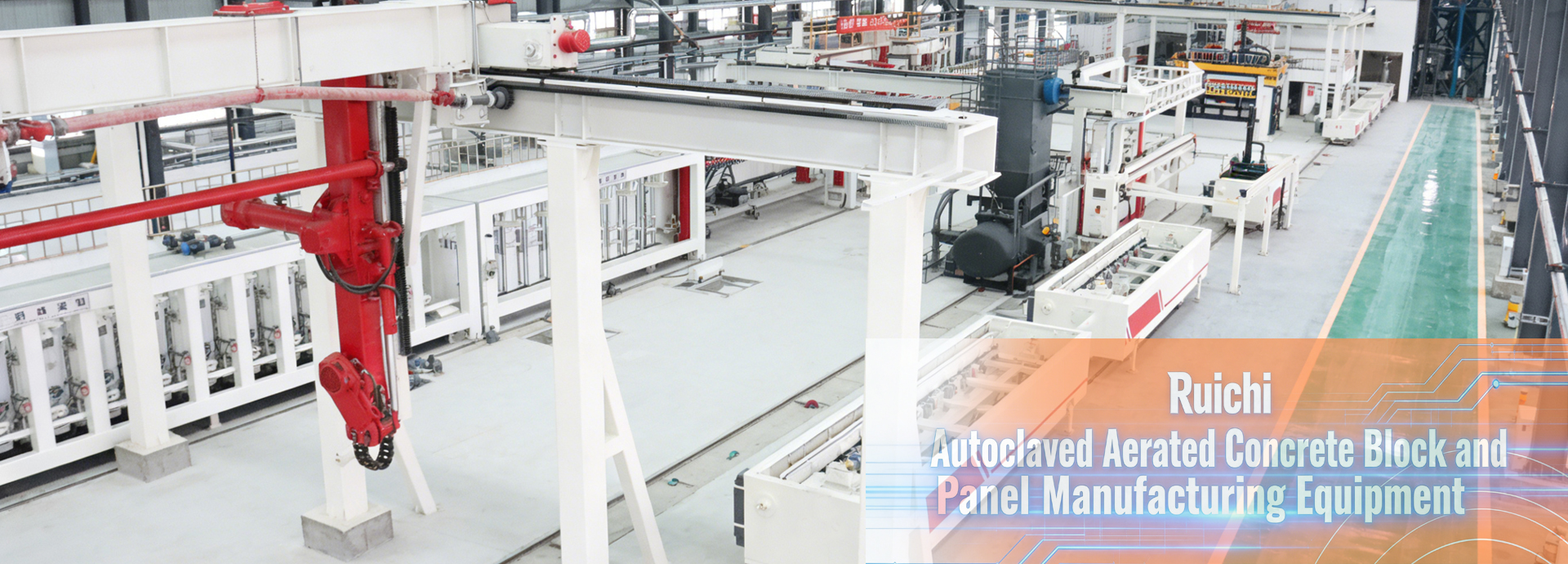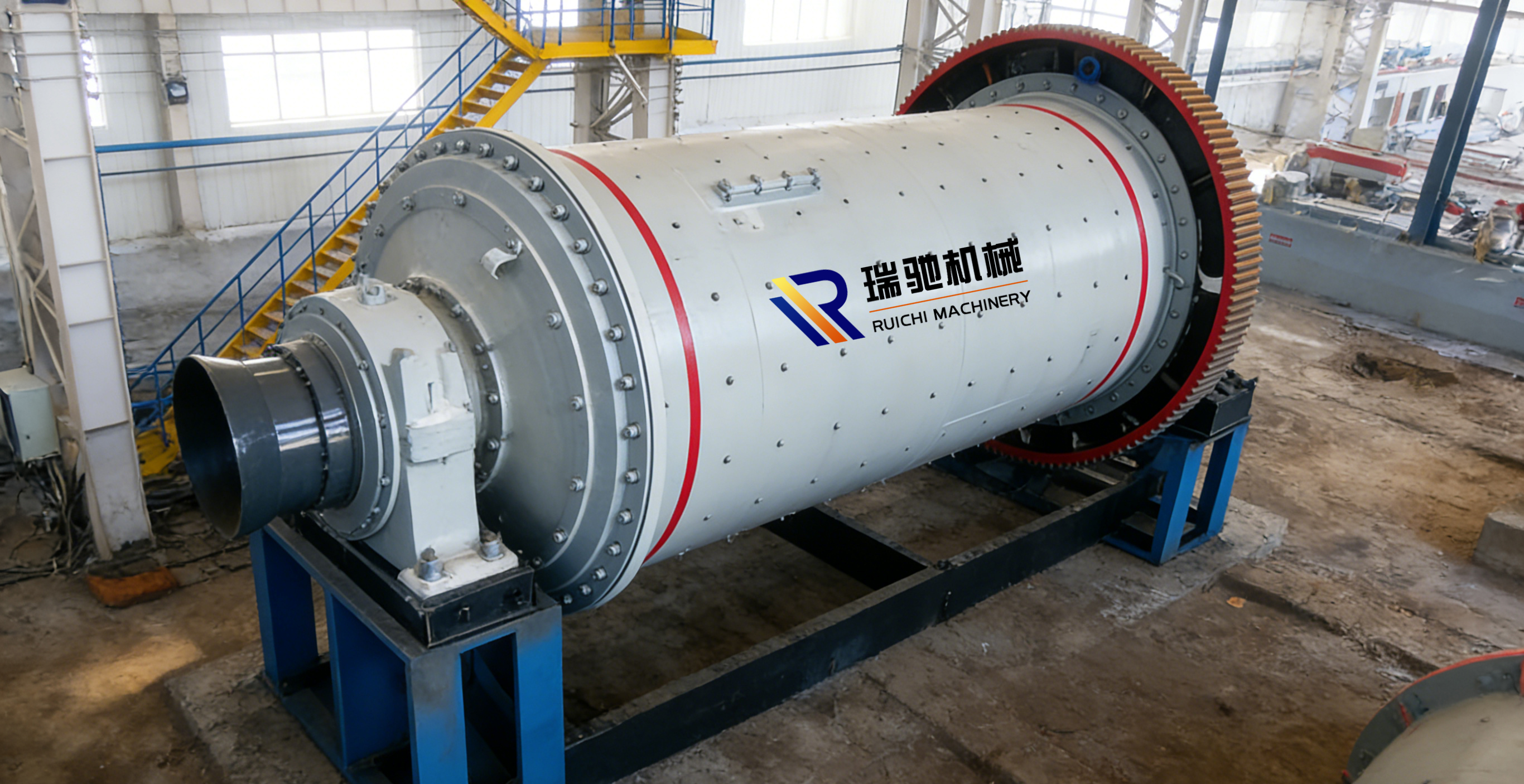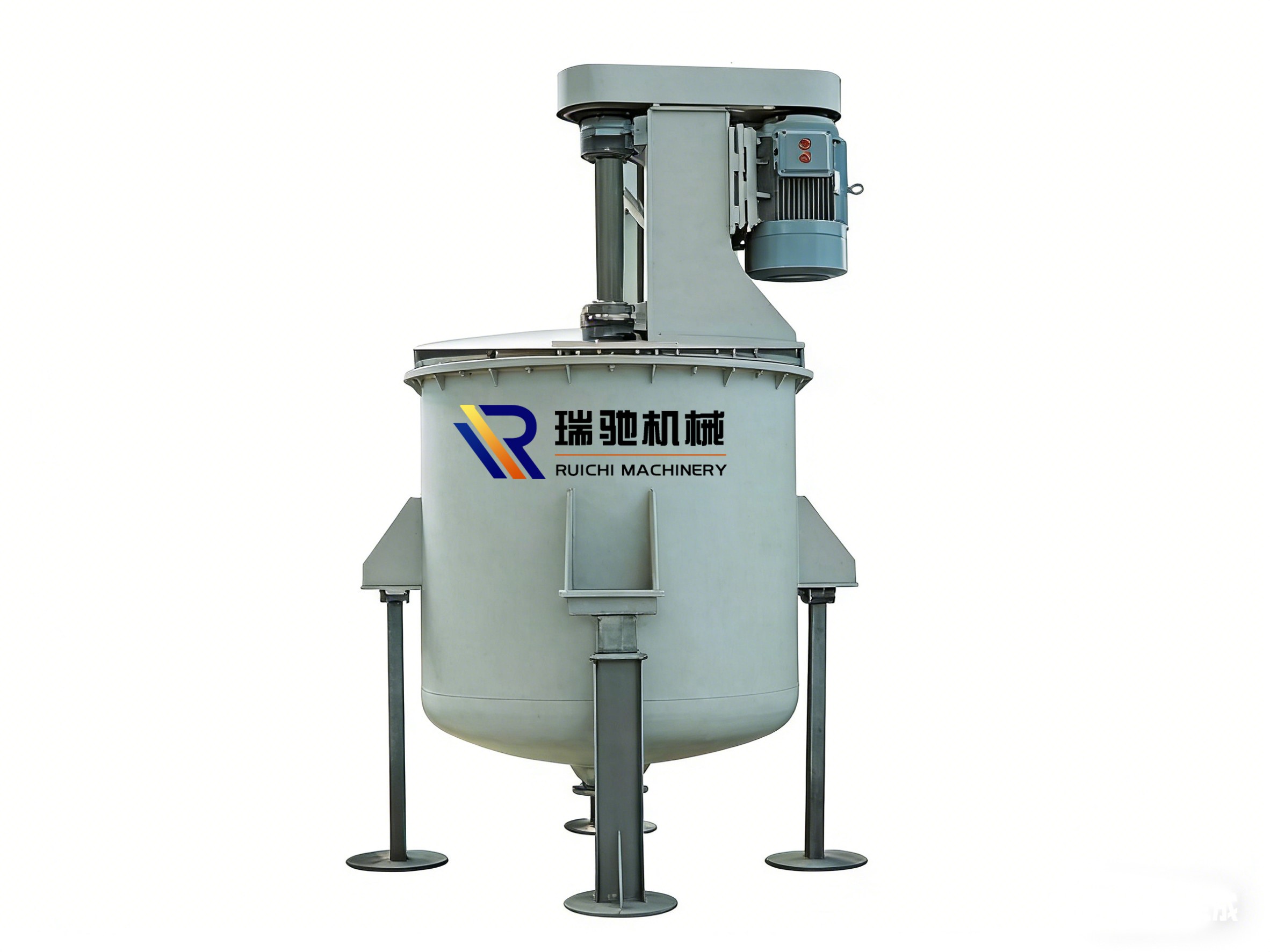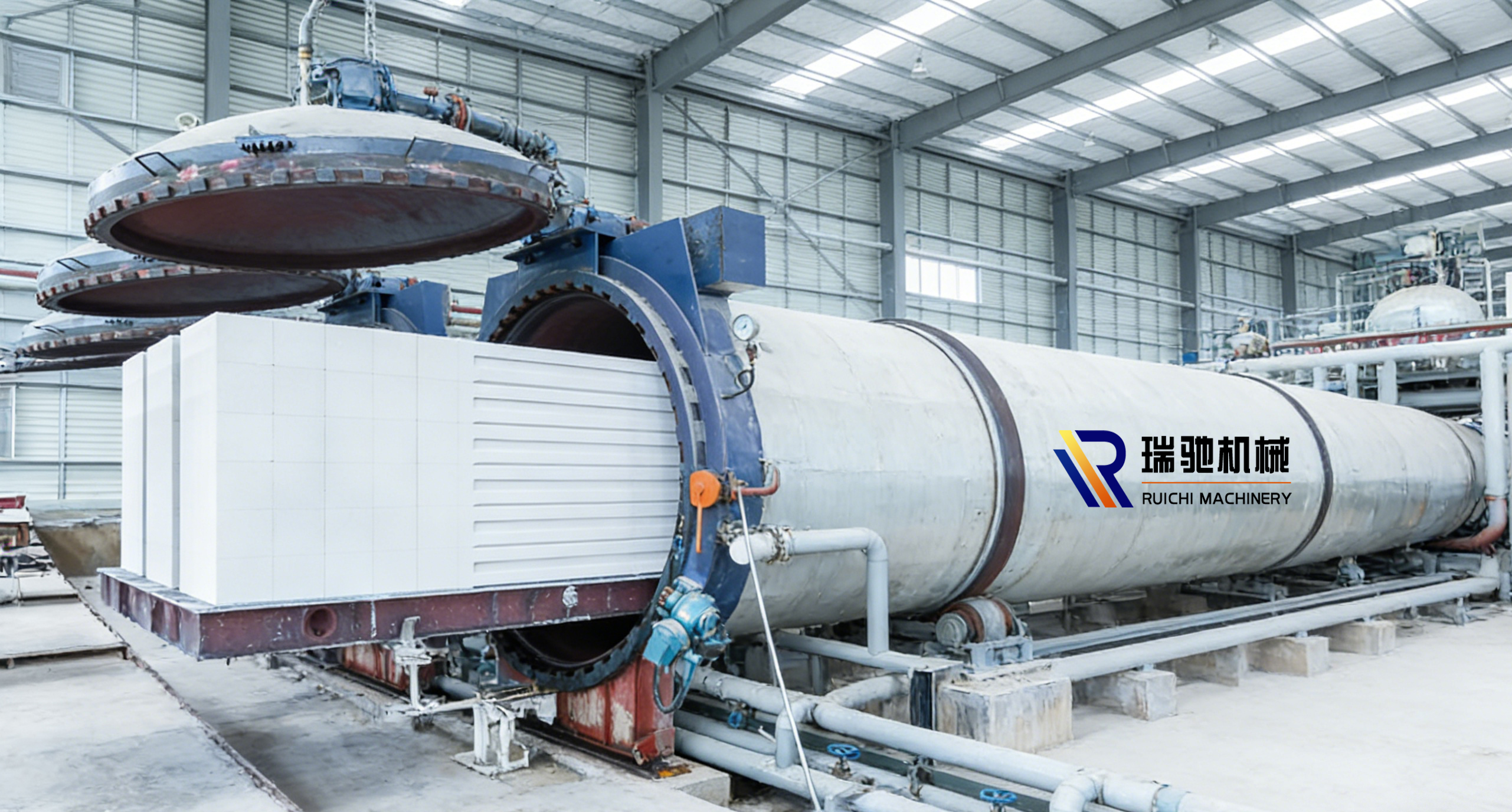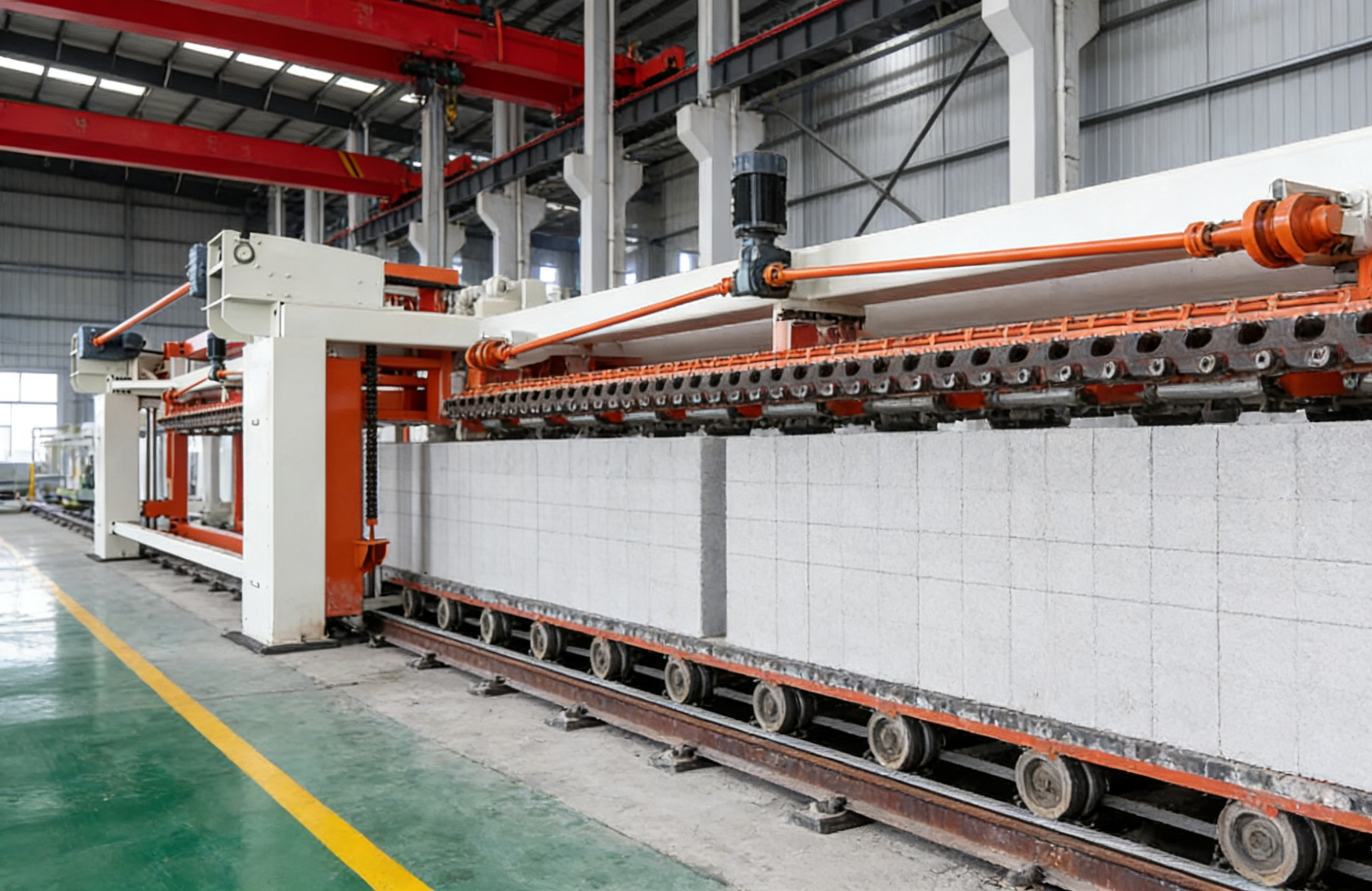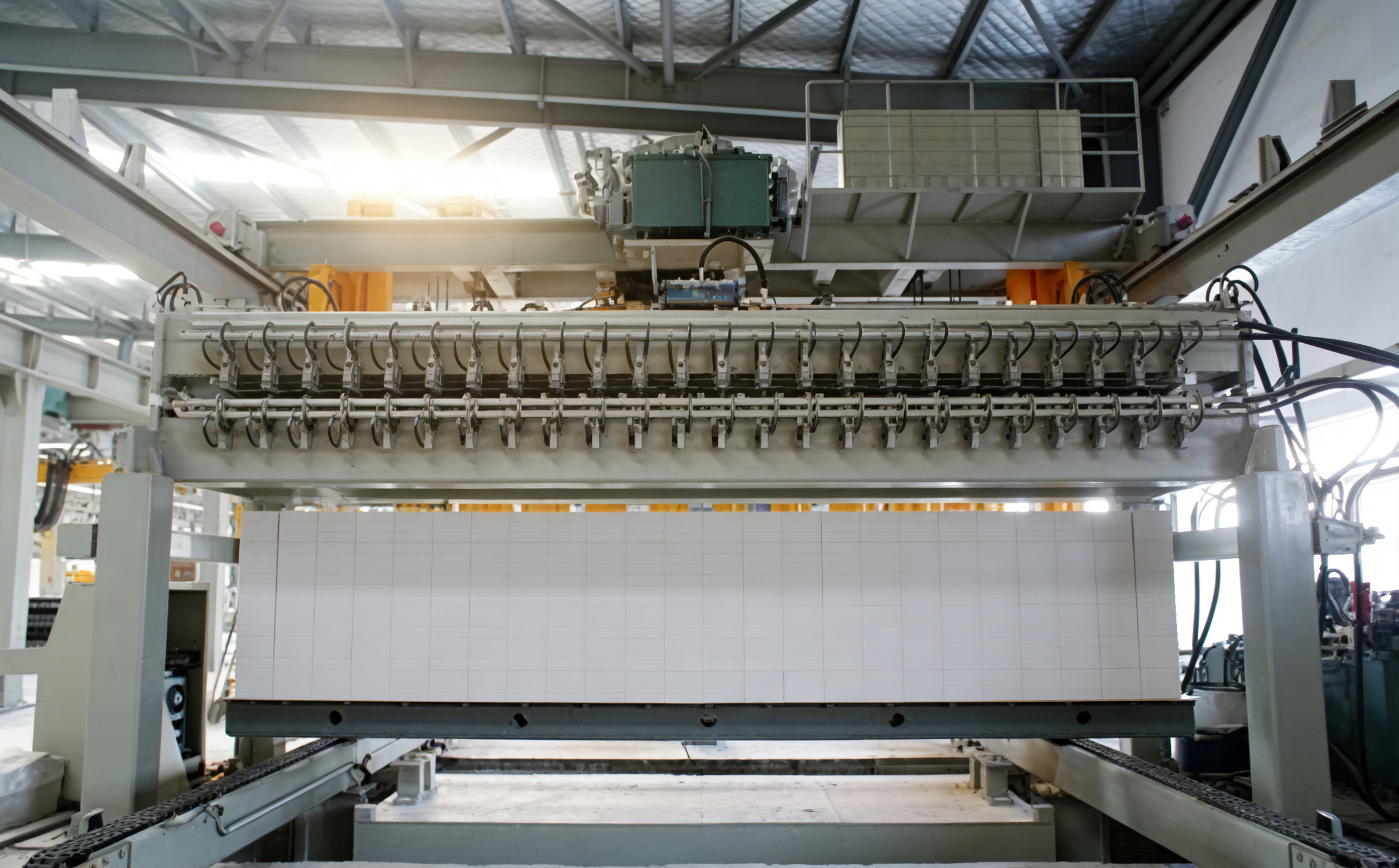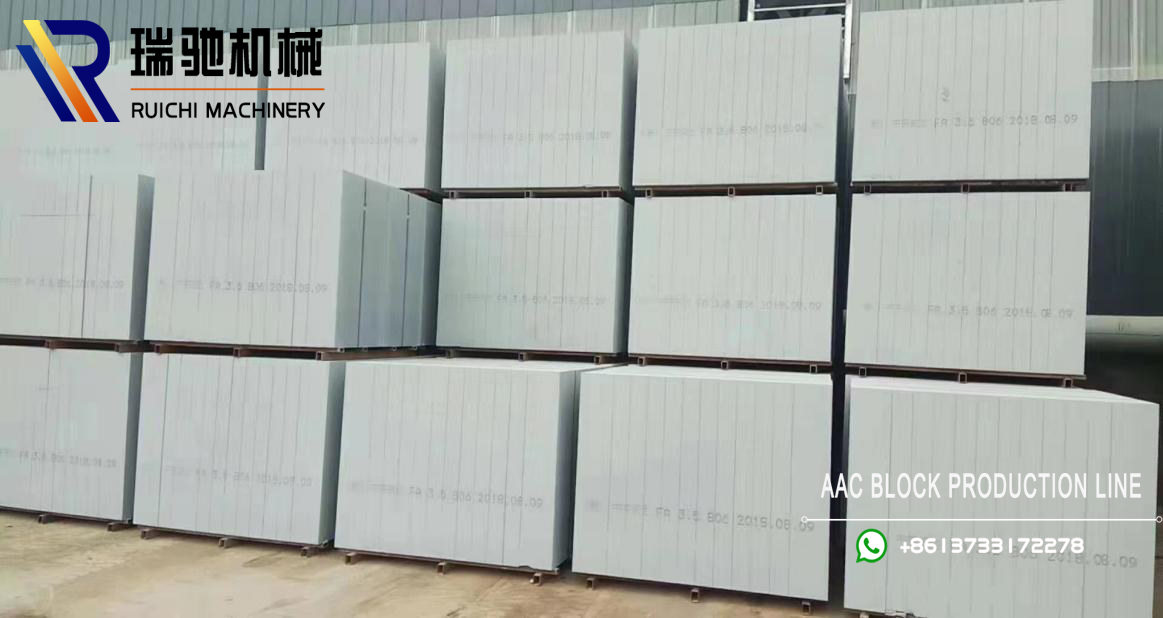
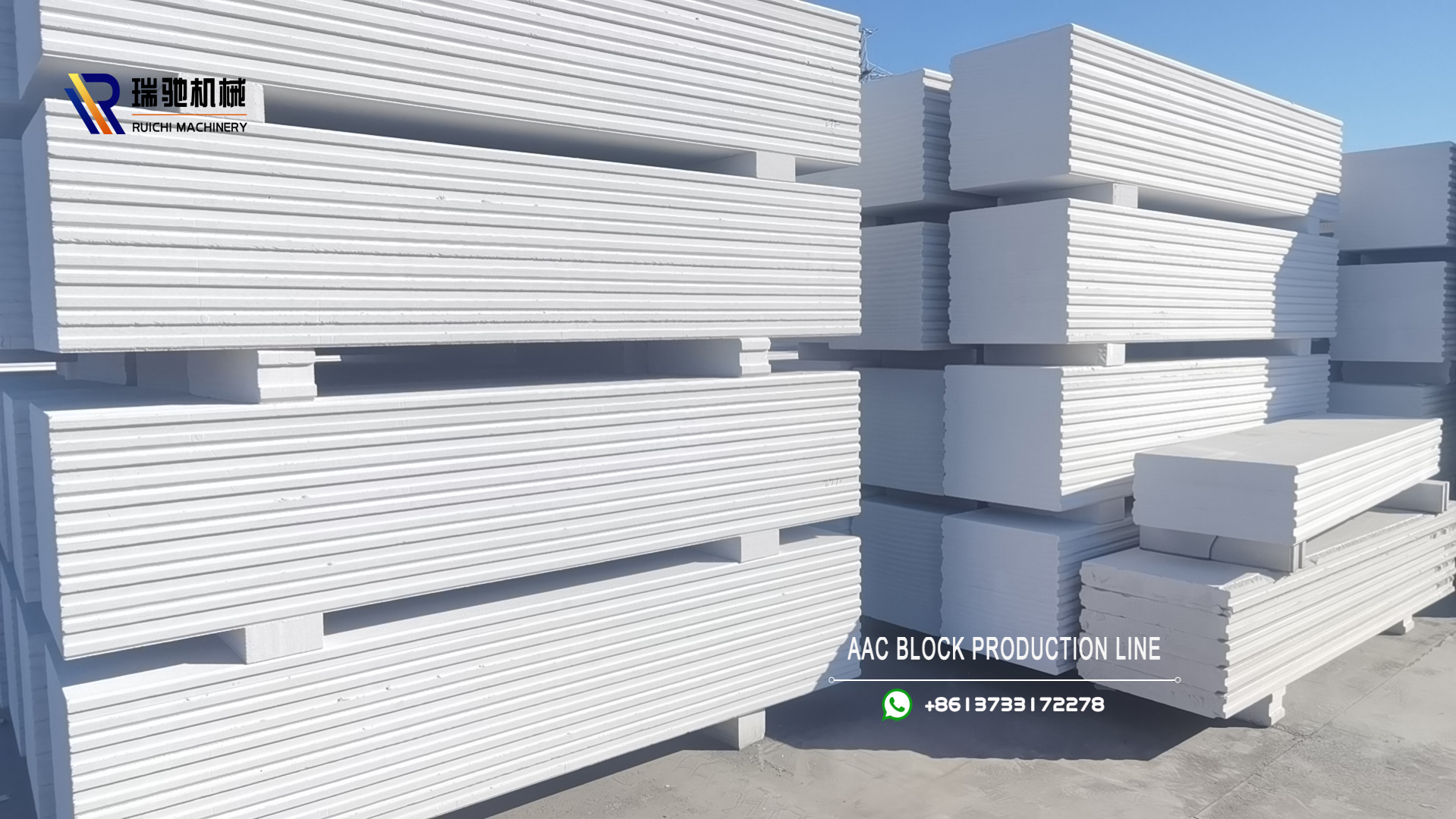
AAC plane are construction components made from autoclaved aerated concrete, and together with AAC blocks, they stand as premium lightweight building materials widely used across global construction projects. Produced via professional AAC Concrete Wall Panel Production Line (ALC), AAC block production line and full AAC Block and Panel Plant systems, these products combine exceptional performance and practicality, outperforming traditional concrete blocks and bricks in nearly every aspect. Below is a detailed breakdown of their core strengths, versatile uses and industry-standard dimensions.
Core Advantages of AAC Blocks & AAC plane
First and foremost, AAC products boast exceptional lightweight properties, significantly reducing the overall load of building structures while enhancing seismic resistance — a critical benefit for high-rise and prefabricated steel structure buildings. They deliver outstanding thermal insulation and heat preservation, cutting down energy consumption for heating and cooling and meeting modern green building standards. Additionally, these materials feature top-tier fire resistance and sound insulation, effectively blocking noise spread and resisting high temperatures without releasing toxic substances, ensuring building safety.
AAC blocks and plane are also highly workable: they can be easily cut, drilled and grooved to fit custom construction needs, speeding up on-site installation and reducing labor costs. With uniform size and smooth surface, they minimize the use of mortar and adhesive, lowering overall project expenses. As eco-friendly building materials, they utilize industrial waste as raw materials during production via AAC & ALC Panel Production Line, aligning with global sustainable construction trends, and their long service life further boosts cost-effectiveness for any aac plant end user.
Wide-Ranging Applications
The versatility of AAC Slabs And Panels and AAC blocks makes them suitable for nearly all types of construction scenarios. AAC slabs are widely used as interior partition walls, exterior enclosure walls, floor and roof panels, integrated trunking boards and lintels, serving as ideal core components for prefabricated buildings and steel structure residential projects. They are also the preferred choice for commercial buildings, residential complexes, industrial workshops and public infrastructure due to their stable performance.
AAC blocks are mainly applied to non-load-bearing interior partition walls, exterior insulation walls and infill walls, perfectly fitting both new construction projects and renovation works. Whether for low-rise villas, high-rise apartments or large public buildings, these AAC products adapt seamlessly, complying with relevant building codes and becoming a staple material for modern efficient, green and safe construction.
Standard Conventional Sizes
AAC products follow unified industry standard sizes, compatible with most AAC block manufacturing plant and AAC Panel Line production setups, and can be customized per project requirements. The following are the most commonly used conventional dimensions:
- AAC Blocks (Regular Sizes): Length 600mm, height 200mm/250mm/300mm, thickness 100mm/150mm/200mm/250mm (custom thicknesses available based on construction needs)
- AAC Slabs And Panels (Standard Sizes): Length 2000mm-6000mm (customizable), width 600mm, thickness 75mm/100mm/125mm/150mm/200mm, tailored for wall partitions, flooring and roofing applications
All standard-sized AAC products ensure stable quality, easy transportation and efficient on-site construction, making them the top pick for contractors, developers and construction teams seeking reliable and cost-effective building solutions.