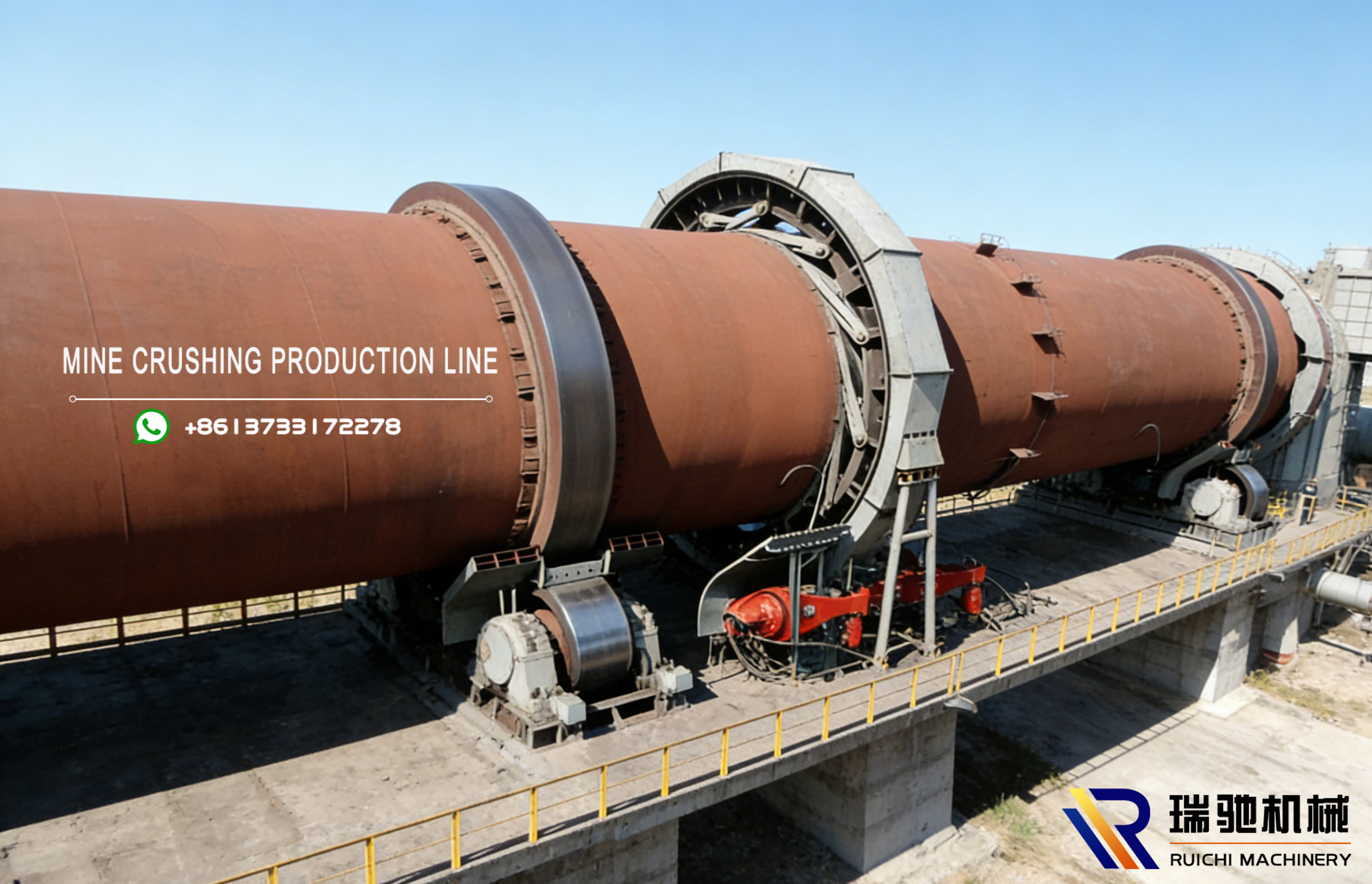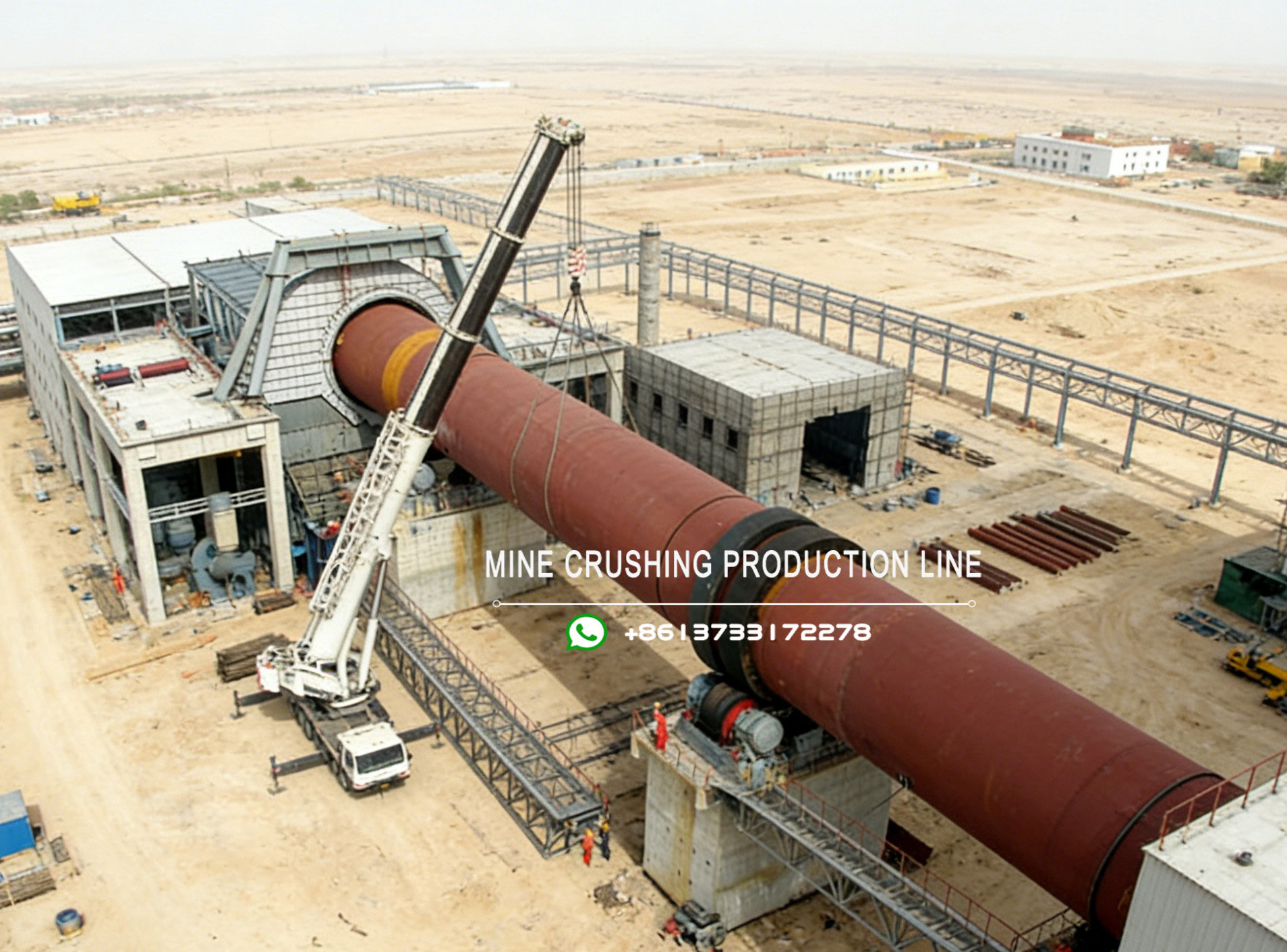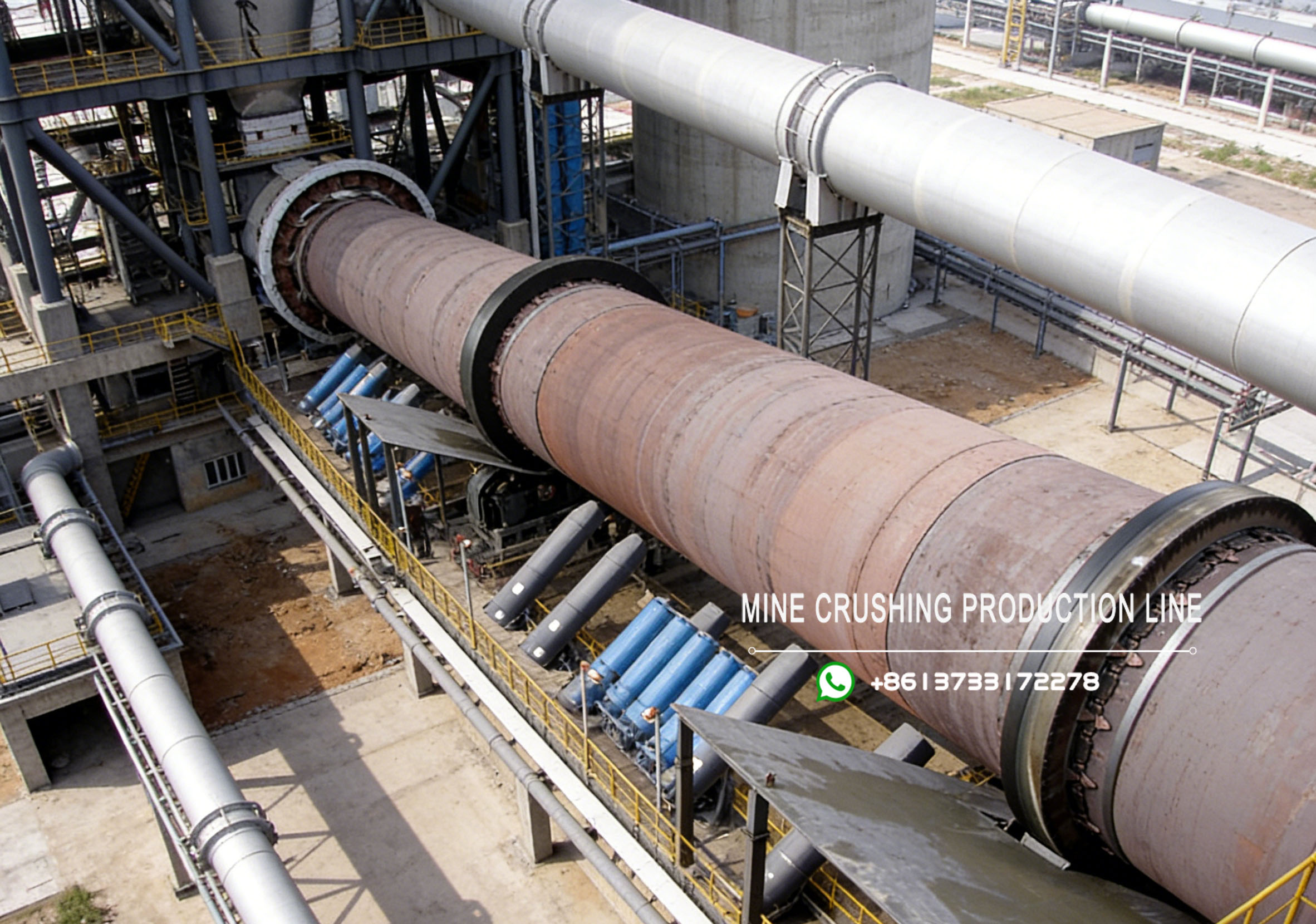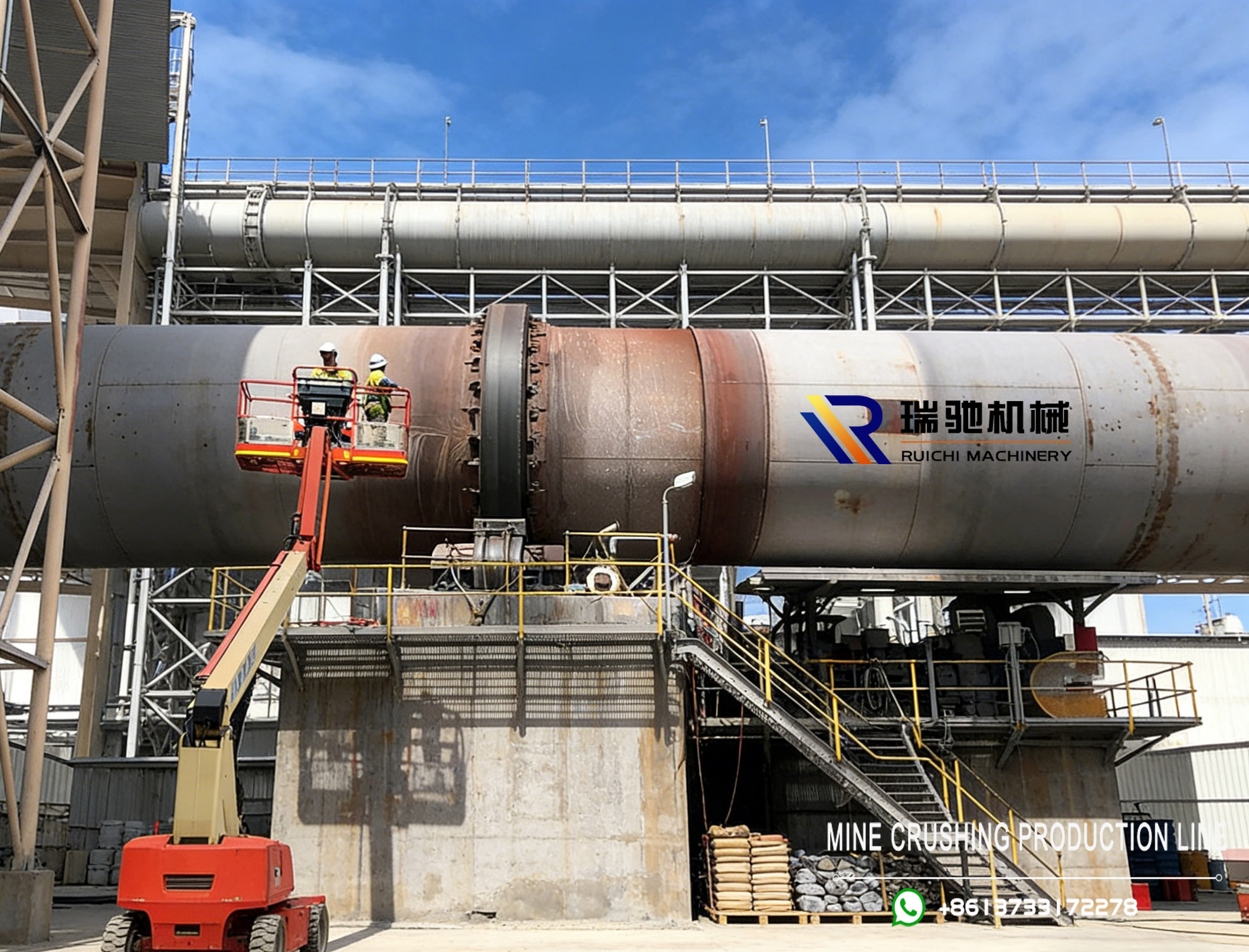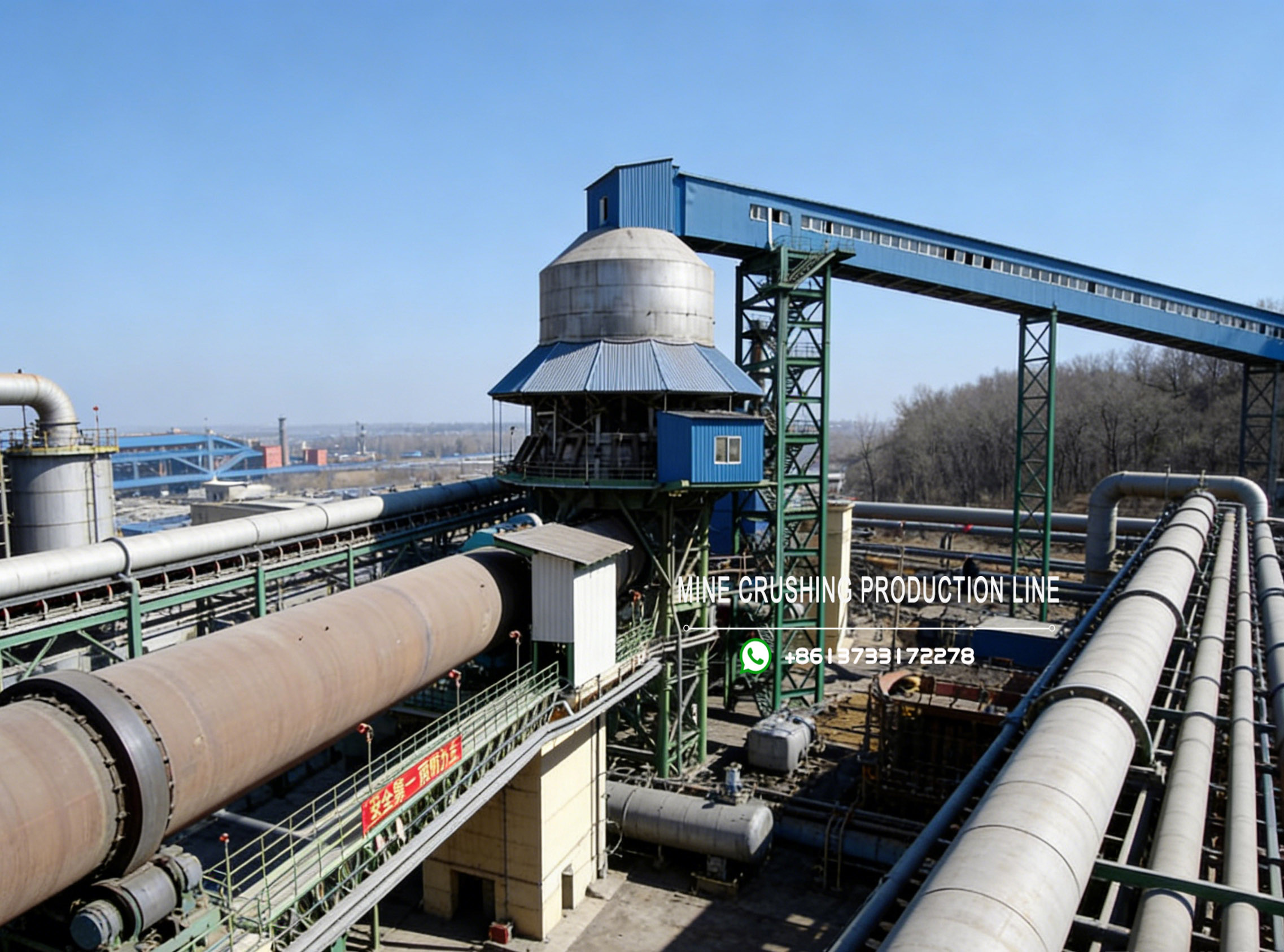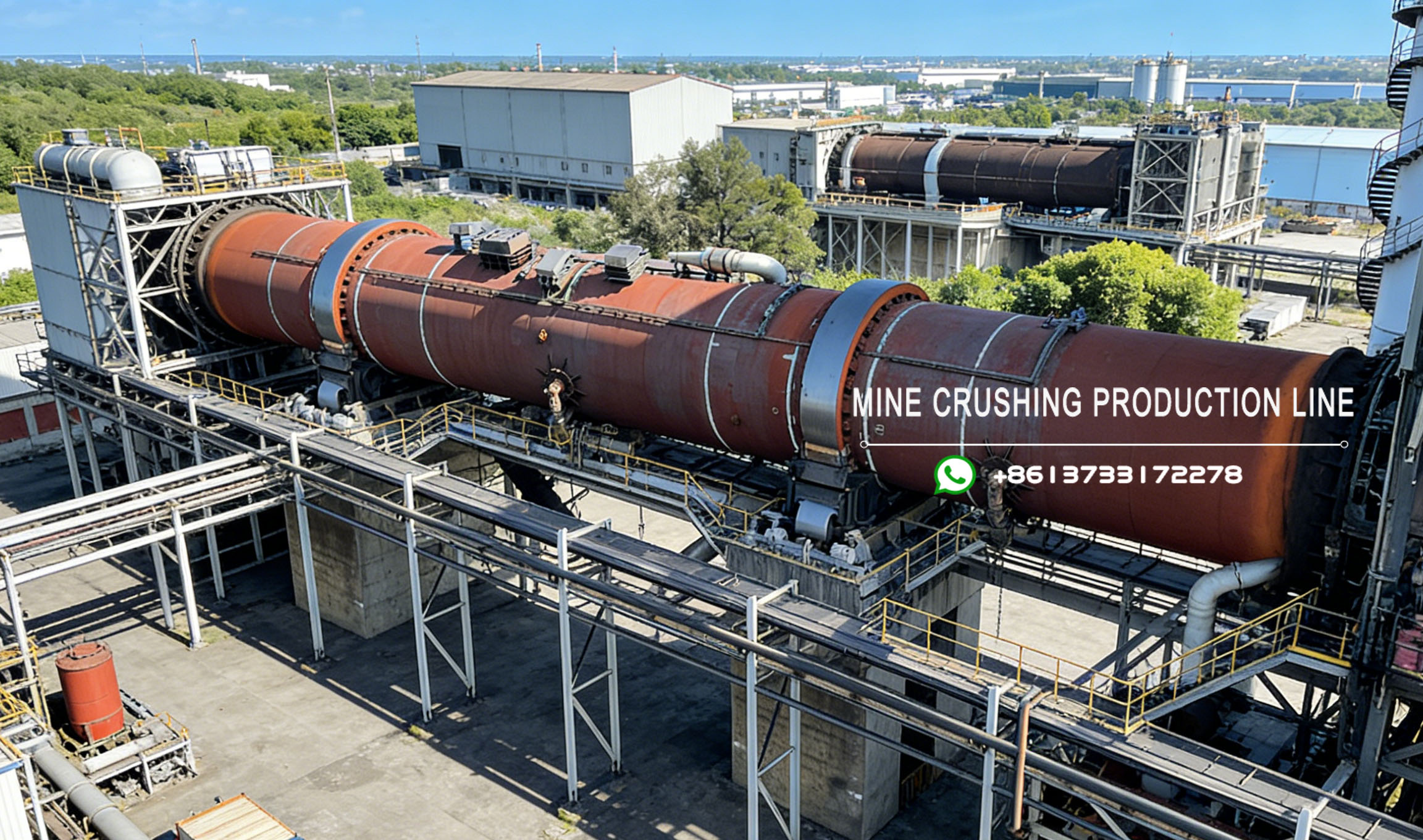
Cement production rotary kiln is the core calcination equipment in the complete cement production line, mainly used for cement clinker calcination, raw material sintering and Portland cement manufacturing. As the most important equipment in modern cement plants, this cement rotary kiln determines the quality, output and efficiency of the entire cement manufacturing process.
Our industrial cement production rotary kiln adopts advanced calcination technology, energy-saving structure and intelligent control system, widely used in large, medium and small cement plants. It is the best choice for customers who plan to buy cement production rotary kiln, build new cement plant or upgrade traditional cement production line equipment.
Our cement production rotary kiln adopts inclined rotating cylinder structure, high-performance sealing device, multi-stage heat preservation structure and professional burner system, which greatly improves heat efficiency and ensures full calcination of cement clinker.
Equipped with PLC intelligent control and digital temperature monitoring system, the cement rotary kiln can automatically adjust rotating speed, feeding volume and temperature, realizing stable, efficient and intelligent operation of the whole cement production line.
Cement raw materials are sent into the inclined rotating cement production rotary kiln. Under the effect of rotation and gravity, materials move slowly from the high end to the low end, and are heated by high temperature flue gas in reverse direction.
Raw materials go through preheating, decomposition, calcination and cooling stages in the kiln, finally forming qualified cement clinker. The whole process is the core working principle of modern cement production line and cement plant.
| Model | Diameter×Length | Capacity (t/d) | Power (kw) | Calcination Temp (°C) |
|---|---|---|---|---|
| Φ3.0×50m | 3.0×50m | 500-800 | 110 | 1350-1450 |
| Φ3.5×60m | 3.5×60m | 1000-1500 | 160 | 1350-1450 |
| Φ4.0×70m | 4.0×70m | 2000-2500 | 220 | 1350-1450 |
| Φ4.8×75m | 4.8×75m | 3000-5000 | 315 | 1350-1450 |
We provide customized cement production rotary kiln and turnkey cement production line solutions according to your daily output, raw material type, site conditions and investment budget. Contact us to get professional cement plant design and equipment supply.
Cement production rotary kiln is the heart of cement manufacturing industry, supporting infrastructure construction, real estate development and engineering projects worldwide. High-quality cement rotary kiln can improve cement output, reduce production cost and enhance market competitiveness.
Our energy-saving cement kiln equipment helps cement plants realize green production, meet environmental protection requirements and achieve long-term stable benefits. Investing in complete cement production line is a high return project in global building materials industry.
Q1: What capacity of cement rotary kiln can you supply?
A: We provide 100t/d to 5000t/d cement production rotary kiln for small, medium and large cement plants.
Q2: Do you provide turnkey cement production line solutions?
A: Yes, we offer one-stop service including design, manufacturing, installation, commissioning and training.
Q3: How to buy suitable cement kiln for my cement plant?
A: Tell us your daily output, raw materials and site size, we will recommend the best cement kiln model.
Q4: How long is the service life of your cement rotary kiln?
A: The main body can be used for more than 20 years, we provide lifelong after-sales service and spare parts.
Ruichi Equipment is a leading global manufacturer of cement production rotary kiln with over 20 years of experience in cement plant equipment. We have professional R&D team, advanced production equipment and strict quality control system.
Our cement production line solutions have been exported to more than 80 countries, providing reliable cement manufacturing equipment for global customers. We provide 24-hour technical support, on-site installation and commissioning to ensure your cement plant runs efficiently.
If you want to buy high-quality cement production rotary kiln, build a complete cement production line, or need customized cement plant solutions, please contact us now! We will provide free quotation, technical proposal and project plan within 24 hours.
Choose Ruichi cement kiln equipment to build efficient, energy-saving and profitable cement plant!