Ruichi Stone Crushing Production Line Introduction
2026-04-17
As a key player in the mining and construction aggregate sector, Ruichi takes jaw crushers, impact crushers, cone crushers, and sand making machines as the core of its crushing equipment portfolio. Guided by market demands and years of industry expertise, our team has been dedicated to R&D efforts, developing a diverse range of crushers available in high, medium, and low configurations. This flexible product lineup is designed to cater to the varied production requirements of customers across different scenarios.

Process Flow of Stone Crushing Production Line
The operational process of a gravel production line generally consists of several key stages: silo storage, feeding, crushing (including primary, secondary, tertiary crushing, or sand making and shaping), screening, transportation, sand washing, drying, and finished product storage. Each stage relies on specialized industrial equipment, and the selection of appropriate processing machinery should be based on the actual conditions of the production line, such as production capacity, raw stone size, and budget constraints.
Key Components of Stone Crushing Production Lines
● Core Procedures
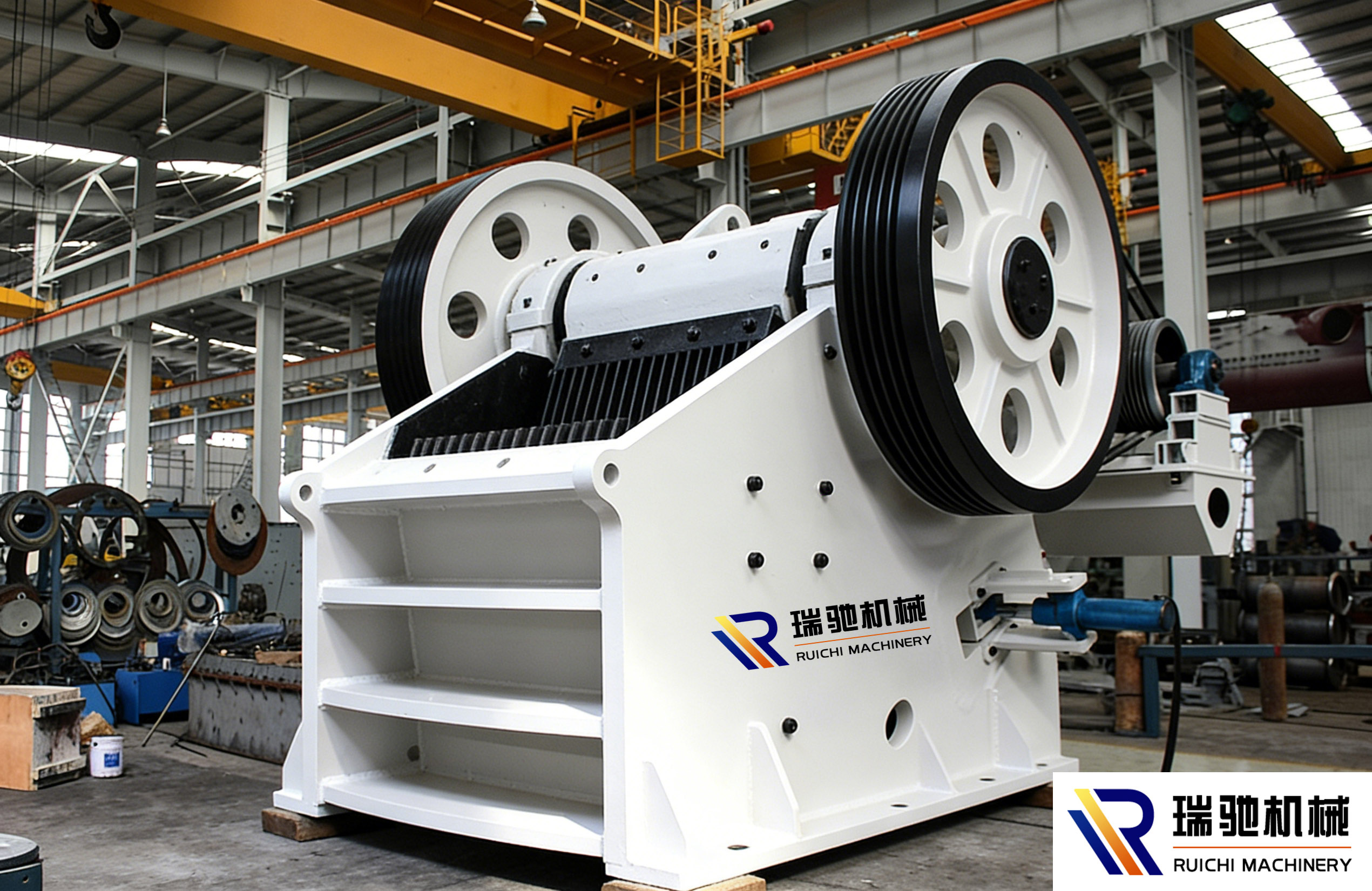
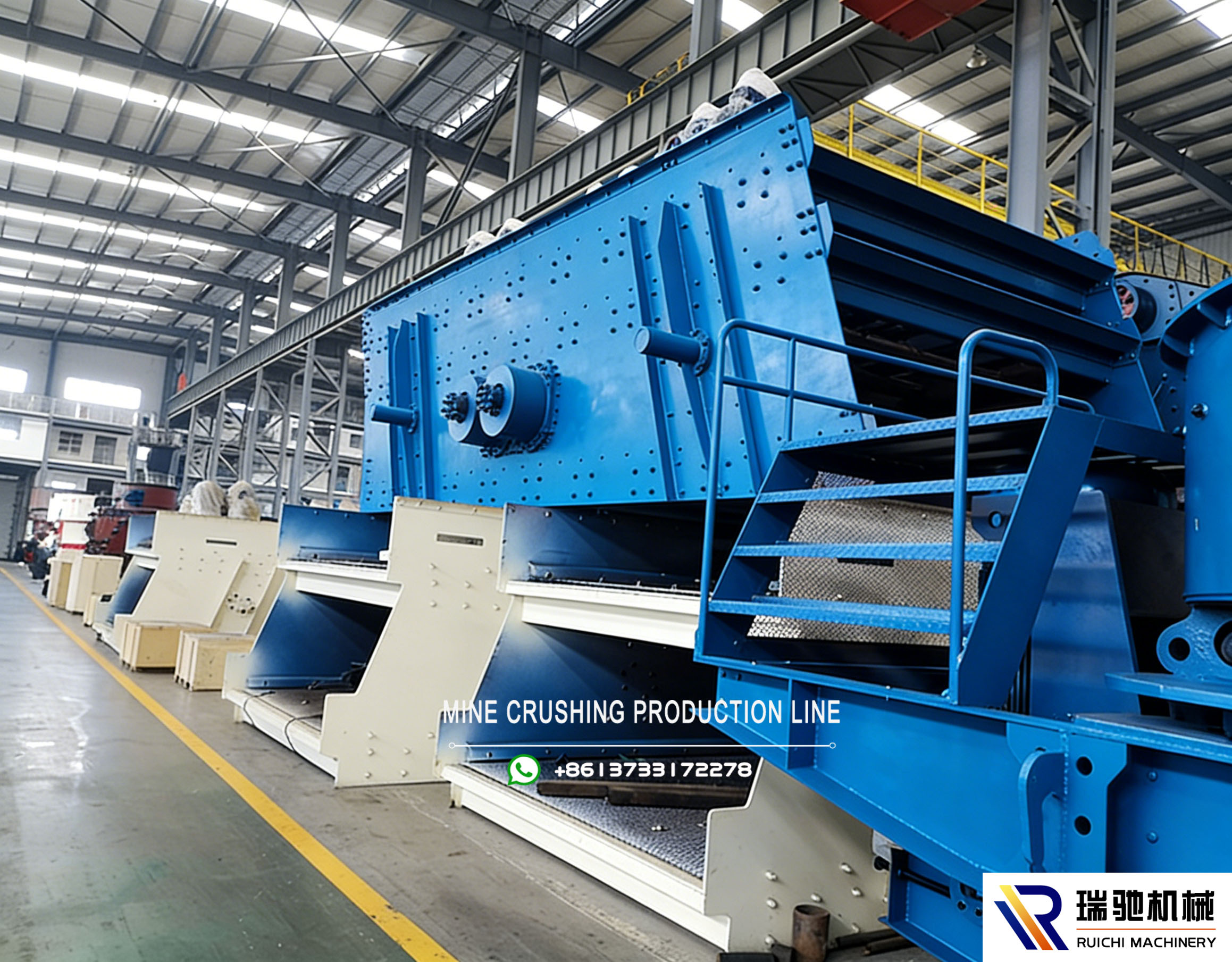
The backbone of any stone crushing production line lies in four essential processes: feeding, crushing, screening, and transportation. Initially, raw stones are fed into a primary crusher (typically a jaw crusher) by a feeder for coarse crushing. The coarsely crushed materials are then sent to a vibrating screen for classification; qualified materials are conveyed to secondary crushing equipment via a belt conveyor. Secondary crushing options include cone crushers and impact crushers: cone crushers are ideal for processing high-hardness materials like granite and basalt, which feature high compressive strength, while impact crushers are more suitable for medium and low-hardness materials such as limestone and bluestone, producing finished particles with excellent shape. Unqualified materials from the screening step are transported back to the primary crusher for reprocessing.
This cycle is repeated through the secondary and tertiary crushing stages until the desired finished materials are separated by the screening process.
● Supplementary Processes
Silo: A silo is not a mandatory component for all production lines. It is required as a buffer if raw materials are transported from external locations; however, if raw materials are readily available nearby, an excavator or transport truck can directly feed materials into the feeder, eliminating the need for a silo.
Sand Washing: When finished products require high quality, or when excessive stone powder and impurities affect the gradation and overall quality of the end product, a sand washing machine is necessary to clean the materials and remove contaminants.
Drying: Sand that has undergone the sand washing process contains high moisture content. Natural dehydration is time-consuming, so a dryer is used to accelerate the drying process and ensure the finished sand meets moisture requirements.
Storage: Production lines built near construction sites can directly utilize finished products without storage. However, many sand and gravel plants need to store finished products temporarily before finding buyers, making storage a necessary step in such cases.
Features of Ruichi Stone Crushing Production Line
1. High Efficiency: The equipment in Ruichi’s stone production line boasts high operational efficiency, enabling rapid processing of raw materials into qualified finished products and significantly boosting overall production output.
2. Advanced Automation: Modernized stone production line equipment is designed with automation in mind, minimizing manual operation requirements, enhancing production precision, and further improving operational efficiency.
3. Strong Versatility: The production line equipment can process various types of stones, adapting to the needs of different industries and application fields.
4. Reliable Performance: All equipment in the production line features high reliability, ensuring stable long-term operation and reducing downtime for maintenance.
5. Environmentally Friendly: Ruichi’s modern stone production line equipment prioritizes environmental protection, effectively reducing noise, dust, and other forms of pollution to meet green production standards.